
 EN
EN
 AR
AR DA
DA NL
NL FI
FI FR
FR DE
DE EL
EL HI
HI IT
IT JA
JA KO
KO NO
NO PL
PL PT
PT RU
RU ES
ES SV
SV TL
TL IW
IW ID
ID VI
VI HU
HU TH
TH TR
TR MS
MS GA
GA LO
LO MY
MY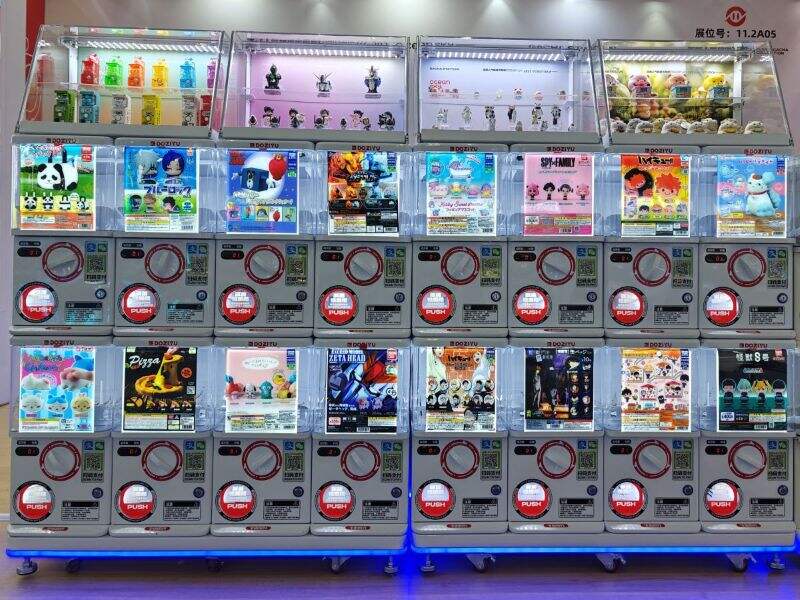
הזהות הקולית של כדוריות מכונות מכרה גדולות: מקורות צלילי ה-'גאצ'ה' וה-'פונ'
שורשים אונומטופיים ומשמעות תרבותית בעיצוב קולות גאשאפון
הקולות המוכרים "גאצ'ה" ו"פונ" מגיעים מאונומטופיאה יפנית. צליל ה"גאצ'ה" מעורר associations של תחושת הצינורית מסתובבת, בעוד ש"פונ" מתאר את הצליל המאושש של הקبسולה הנופלת למקומה. לאורך הזמן, קולות אלו הפכו למשהו מיוחד, כעין סימן מסחרי מוזיקלי שמציין שפרס עומד להופיע, מעורר זיכרונות רבים, ופועל גם בין גבולות שפות. כמה מחקרים גילו למעשה כי אותות שמעיים אלה גורמים למוח לזהות פרסים ב-73 אחוז מהר יותר מאשר אם המכונה פשוט תפיח את הפריט בשקט, לפי Revue Marketing חישה משנת 2022. חברות שומרות על הקולות בדיוק כפי שהם, dado ששינוי שלהם יפגע במה שעושה את הגשאפון כל כך מושך. קיימת כאן כל קשר שלם בין האדם למכונה, שנבנה סביב רגעי ההמתנה הקטנים הללו שמגדירים את החוויה.
ניתוח אקוסטי: תדר, משך ותזמון בסיסי של אותות שמע בגשאפון
צלילי גאצ'ה נמשכים בדרך כלל בין 0.8 ל-1.2 שניות, ונמצאים ברובם בטווח תדרים של 400 עד 800 הרץ. צלילים אלו מדמים פעולות מכניות עם שכבות רבות של מתכת הנוקשות זו על זו. לעומת זאת, הצליל 'פונ' פועל אחרת. הוא מהיר בהרבה, רק 0.3 שניות, ונמצא בגובה גבוה יותר בטווח התדרים, בין 1200 ל-1500 הרץ. זה יוצר את הניגוד החודר שאנחנו כל כך מכירים. מה שמakes את זה באמת מעניין הוא שהמרווח של 1.5 שניות בין הצלילים הללו מתאים למה שחקרנים גילו לגבי הזמן שבו המוח שלנו משחרר דופמין. זה מותיר את האנשים במתנה בדיוק את הכמות הנכונה של זמן כדי שהפרס ירגיש טוב יותר, מבלי לגרום לעצבנות. הגרסאות של היום גם מגבירות את רעידות התדר הנמוך יותר, כדי שמשתמשים יוכלו ממש להרגיש את הפעולה מתרחשת. זה מוסיף עוד שכבת חוויה, תוך שמירה על הצליל האופייני שאנו כבר מכירים ואהבים.
השפעה פסיכולוגית: כיצד הצליל מעורר תקווה ותגמול בחוויית הגאצ'אפון
דופאמין ועיצוב: התפקיד של שמע משתנה אך צפוי בהערבת המשתמש
כאשר מישהו מכניס מטבע, גלגלי שיניים מתחילים להסתובב, ולבסוף קפסולה נופלת החוצה, המוח שלנו למעשה נדלק בשתי דרכים שונות. ראשית מגיע שלב הציפייה שהם מכנים "גאצ'ה", ואחריו רגע ה"פון" המספק שבו הכל מתחבר למקומו. מחקר שפורסם בכתב העת Journal of Consumer Psychology בשנת 2023 הראה ששני השלבים הללו יחד מגבירים את רמות שביעות הרצון הכללית בכ-23%. מעצבים חכמים מכירים את הטריק הזה היטב. הם יוצרים מכונות שמרגישות צפויות מספיק כדי לבנות אמון, אך מוסיפות גם הפתעות קטנות. לפעמים הצליל משתנה רק במעט, או שיש עיכוב זעיר בין פעולות. השינויים הקטנים הללו שומרים על עניין אנשים לאורך זמן. מה שאנחנו מקבלים בסופו של דבר הוא בעצם מכונה שנועדה ללחוץ על כל הכפתורים הנכונים במוח שלנו. פעולת ההפעלה הפשוטה הופכת למשהו כמעט ממכר, וגורמת ללקוחות לרצות לחזור שוב ושוב כי זה עובד כל כך טוב גם מבחינה פסיכולוגית וגם מבחינה מעשית.
התפתחות טכנולוגית: מערכות שמע מתקדמות בקפסולות מכונות מכירה אוטומטית גדולות מודרניות
הצלילים היוצאים מהקליפים הגדולים של מכונות מכירה אוטומטיות עברו דרך ארוכה מאז הימים של טיקות מכניות פשוטות וקולות דפיקה. בימים הקדומים, למכונות האלה היו רק קפיצים ומיטרפים שייצרו כל מיני צלילי טיקות ודפיקות כלליים בזמן שהן פעלו. עכשיו אנחנו רואים משהו שונה לגמרי. למכונות מודרניות יש פנימה מיקרופונים זעירים מסוג MEMS יחד עם חיישני פיזואלקטריות ושבבי שמע באיכות גבוהה ממש. רכיבים אלה עובדים יחד כדי ליצור צלילים המשתנים בזמן אמת בהתאם למהירות בה דברים מסתובבים, לסוג הכוח שמופעל ואפילו למשקל самого הקליפס. מה שהיה פעם צלילים מכניים פשוטים הפך למשהו הרבה יותר מעניין, שבו המכונה בעצם מגיבה למה שקורה. כש מישהו מסובב את הידית בעדינות, ניגן צליל צלצול נעים ורך. וכשהחטיף נופל לבסוף בהצלחה? המכונה משמיעה צליל חגיגי קטן שנשמע כמעט כמו תרועת ניצחון.
מכוננים מכניים לקול חכם: משוב קול המופעל על ידי חיישנים ומסתגל
מערכות מודרניות ממירות נתוני פיזיקה—כגון גובה נפילה או קרבה לצינור הפליטה—לתגובות קוליות מרובות שכבות:
- התראות כשל צפוי : טונים דיסוננטיים מצבירים סכנה לבלוקים לפני שהן מתרחשות
- מתן פרסים בהדרגה : שכבות הקול מצטברות ככל שקרום הקרם מתקרב ליציאה
- אקוסטיקה מבוססת חומר : הגברה דיגיטלית של רעידות מיקרו יוצרת חתימות ייחודיות—לדוגמה, חמימות רезוננטית לצעצועי עץ לעומת צילצול מתכתי חד לאוספים פרימיום
גישה מסתגלת זו מורידה את עלות התפעול ב-18% (Vending Tech Journal, 2023) ובמקביל מאריכה את משך ההשתתפות הממוצע.
שיתופי פעולה עם אמני קול ומומחים לחוויית ASMR לצורך חווית משתמש מהנה
| פרופיל שמע | השפעה רגשית | דוגמה לשימוש |
|---|---|---|
| קריסטלי | שחרור אופורי | הוצאה מוגבלת |
| רesonנס עץ | שביעות רצון חמה | חומרים ידידותיים לסביבה |
| הד מתכתי | חוּשׂ רוח בעוצמה גבוהה | אוספים פרימיום |
שיתוף הפעולה הזה הופך רגעים טרנזאקציוניים לפגישות ממותגות עם רesonנס רגשי—ומגביר את השימוש החוזר ב-40% (מחקר ניורו-שיווק, 2023).
מגמות עתיד: התאמה אישית של צליל באינטראקציה במכונות גשאפון דור הבא
הפעלה על ידי קול וصوت מותאם אישית: עלייתן של פתרונות מכשירי מכרה אינטראקטיביים
מכונות מכרה חדשות עם תאים גדולים יותר מתרחקות מצלילים רקע פשוטים לעבר חוויות שמע אינטראקטיביות המופעלות על ידי פקודות קול וטכנולוגיית שמע חכמה. אנשים יכולים להורות למכונה הזו במפורש מה הם רוצים באמצעות דיבור, והמערכת מנפנת צלילים שונים בהתאם למי שמפעיל אותה. לאוספי vintage עשירים עלולים להישמע מנגינות ישנות,צעירים יקבלו צלילי ASMR רגועים, ואנשים באזורים שלווים ישמיעו משהו עדין במקום רועם. המכונה גם משנה את עוצמת השמע - חזק או חלש - בהתאם למקום הצבתה, כדי שהלקוח יוכל עדיין לשמוע בבירור אם הוא נמצא בארכיד או במרכז קניות. בקרוב נוכל ככל הנראה לראות מכונות שזוכרות קולות וזוכרות העדפות, ויוצרות חוויות שמע מותאמות אישית שגורמות לכל רכישה להרגיש מיוחדת ומבססות קשרים חזקים יותר לאורך זמן.
שאלות נפוצות
מהם הצלילים "גאצ'ה" ו"פון" במכונות גאשאפון?
הצלילים "גאצ'ה" ו"פונ" הם צלילים אונומטופיים יפניים שמסמלים את התהליכים המכניים של מכונות הגשאפון. "גאצ'ה" מייצג את סיבוב הידית, בעוד ש"פונ" מסמל את נפילת הקبسולה.
כיצד משפיעים הצלילים הללו על חוויית המשתמש?
הצלילים הללו משפרים את החוויה בכך שהם מקצרים את תקופת ההמתנה לפרס ומעלים את רמות הסיפוק. המוכרות והצפויה שלהם מגדילות את מעורבות המשתמש על ידי יצירת קשר בין המשתמש למכונה.
איזו התקדמות טכנולוגית שיפרה את הצלילים במכונות מכירה?
מכונות מכירה מודרניות משתמשות במיקרופונים מסוג MEMS, חיישני פיזואלקטריות ושבבי שמע איכותיים כדי ליצור צלילים מותאמים שמשתנים בזמן אמת בהתאם לגורמים מרובים, מה שעושה את החוויה דינמית ומעוררת עניין יותר.
האם מכונות מכירה יכללו שמע אישי בעתיד?
כן, צפוי שמכונות מכירה חדשות יעברו לחוויות קול אינטראקטיביות, ויסבכו פקודות קול להשמעה מותאמת אישית שתתאים להעדפות ולסביבה של כל פרט.
תוכן העניינים
- הזהות הקולית של כדוריות מכונות מכרה גדולות: מקורות צלילי ה-'גאצ'ה' וה-'פונ'
- השפעה פסיכולוגית: כיצד הצליל מעורר תקווה ותגמול בחוויית הגאצ'אפון
- התפתחות טכנולוגית: מערכות שמע מתקדמות בקפסולות מכונות מכירה אוטומטית גדולות מודרניות
- מגמות עתיד: התאמה אישית של צליל באינטראקציה במכונות גשאפון דור הבא
- שאלות נפוצות