
 EN
EN
 AR
AR DA
DA NL
NL FI
FI FR
FR DE
DE EL
EL HI
HI IT
IT JA
JA KO
KO NO
NO PL
PL PT
PT RU
RU ES
ES SV
SV TL
TL IW
IW ID
ID VI
VI HU
HU TH
TH TR
TR MS
MS GA
GA LO
LO MY
MY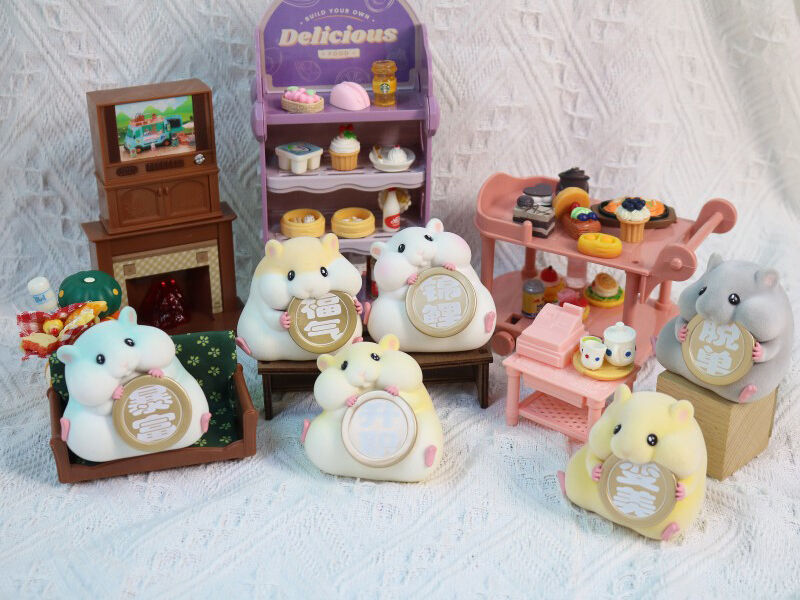
Aligning Thematic Design with Supermarket Consumer Behavior
Leveraging Japanese Pop Culture and IP Collaborations for Broad Retail Appeal
When supermarket owners put Japanese pop culture themes and licensed IP into capsule vending machines, they're actually reaching out to both die-hard fans and people who just happen to pass by. Studies show around three quarters of customers will grab something when they see a character they recognize on impulse buys. That's why anime figures, video game collectibles, and those old school franchise items work so well for general appeal. Stores that match capsule machine themes to what locals want tend to get better results. Look at campuses where manga series sell like crazy, versus family areas where classic cartoon characters still draw crowds across generations. These special machines become spots worth stopping at, which means more people wander deeper into the store. And let's face it, keeping licensing deals above board isn't just about avoiding lawsuits it builds real trust with customers who care about getting genuine merchandise.
Seasonal, Lifestyle, and Miniature-Themed Lines Optimized for Impulse Purchase in Aisles
Supermarkets know exactly what works when it comes to getting people to grab something extra at the last minute. About two thirds of all non food items get bought right near the checkout area. That's why stores stock up on limited edition holiday stuff like those cute little snowmen or Santa figurines during December. They create that "I need this now" feeling. For regular shopping trips, smaller items like tiny mugs or desk organizers tend to catch eyes as customers walk past relevant sections. Stores often put these compact displays right next to places where people tend to hang around longer, such as the deli counter or waiting outside the pharmacy. Some research shows that putting themed items close to related products actually increases how much folks spend by about a fifth. Most stores refresh these displays every month or so, keeping things fresh without making warehouse staff crazy trying to track down obscure inventory.
Structuring Rarity and Accessibility for Capsule Vending Machines in Supermarkets
Tiered Pull Probabilities and Transparent Rarity Labels to Build Trust and Repeat Engagement
The tiered probability system for capsule machines common (about 60%), rare (around 30%), and ultra-rare (just 10%) helps keep people engaged when they're standing in the supermarket aisle deciding whether to drop coins into the machine. When stores clearly show these odds right on the outside of the machines, it builds trust with customers who might otherwise feel cheated. Family shoppers especially notice this difference. According to recent data from the Toy Industry Association, roughly 8 out of 10 collectors actually trust brands more when they can see what their chances really are. Color coding the capsules according to rarity adds another layer of clarity without killing the fun factor that makes gashapon so appealing. The whole setup works because it maintains that sweet spot between wanting another try and getting frustrated with no results, which is why both kids and parents come back again and again.
Avoiding Over-Rarity: Balancing Scarcity with Inventory Turnover in High-Traffic Retail Environments
When supermarkets stock too many rare items, it actually hurts customer engagement in these busy stores where thousands walk through every day. People start noticing empty spots on the shelves more often. Good capsule programs keep their failure rate under 5%, matching how fast inventory turns over with regular restocking schedules, usually around three days. According to Retail Analytics Quarterly last year, stores saw inventory move out 150% quicker when ultra rare stuff made up no more than 8% of what was stocked compared to setups with over 15% rare items. Finding this balance between scarcity and availability keeps things collectible but stops machines from getting backed up. Special promotions tied to holidays or seasonal themes really help speed things along too. For designers working on these systems, creating the right mix of common and rare items is crucial. The goal should be that most shoppers get something they want after just a few tries through the capsules.
Ensuring Safety, Durability, and Cost-Efficiency for Mass-Retail Deployment
Material Selection (ABS, PVC, Bioplastics) for Compliance, Detail Retention, and Vending Reliability
The choice of materials makes all the difference when it comes to keeping things safe, building customer confidence, and managing costs for those capsule dispensers found in supermarkets today. Most manufacturers go with ABS plastic because it can take quite a beating - really important since kids' toys get dropped constantly both by shoppers and inside the machine itself during operation. For those detailed figures based on popular characters, PVC tends to work better as it allows for finer details that collectors want. All these materials need to pass strict safety tests like ASTM F963 and EN71 regulations which ban harmful substances such as phthalates and heavy metals from being present. Some companies are looking at bioplastics as greener options but there's a catch. These eco-friendly alternatives come with higher price tags and sometimes behave unpredictably when molded, so each batch needs thorough testing before going into mass production. At the end of the day, store owners look for materials that strike just the right balance between quality, safety requirements, and what consumers expect from their purchases.
- Durability: ABS minimizes breakage during transport and prevents vending jams
- Detail fidelity: PVC captures nuanced facial expressions and accessory articulation
- Regulatory alignment: Third-party lab certifications confirm child-safety compliance
- Vending reliability: Consistent capsule dimensions and weight prevent mechanical errors
Brittle plastics increase refund requests; non-compliant materials invite recalls. Optimized material blends ensure collectibles withstand high-traffic retail use while maintaining per-unit production costs under $0.85—a proven threshold for sustained impulse purchase conversion.
Navigating Licensing and Production Scalability for Supermarket Distribution
Getting collectible gashapon programs up and running across multiple supermarket chains takes careful planning around both character rights and actual product manufacturing. When it comes to popular characters, companies need to really check out those contracts before signing anything. Things like how much money goes back to the character owners, how long they have exclusive rights, and where exactly those rights apply all matter a lot. Without getting these details right, big problems can pop up when trying to launch nationally. On the production side, finding manufacturers who can keep quality consistent even as demand changes from store to store is crucial. Some companies use modular production setups that let them switch between different seasonal collections pretty quickly. Meanwhile, many now rely on digital inventory systems that track stock levels in real time. These systems help send more products to busy stores and fewer to places where not many people shop. The whole point is keeping those colorful capsules available wherever customers want them, without wasting money on excess inventory or losing sales because of empty shelves.
FAQ
Why do supermarkets use capsule vending machines with Japanese pop culture themes?
Supermarkets use capsule vending machines with Japanese pop culture themes because they attract both dedicated fans and casual shoppers. Characters from anime or video games often lead to impulse buys, helping increase sales.
How do supermarkets manage seasonal and impulse purchases?
Supermarkets capitalize on seasonal and impulse buys by placing themed and miniature items near checkouts or high-traffic areas like the deli. They tend to refresh these displays monthly to maintain customer interest.
What are the benefits of using tiered pull probabilities in capsule machines?
The tiered pull probability system—common, rare, ultra-rare—engages customers and builds trust by being transparent about chances, prompting repeated engagement with the machines.
How do supermarkets ensure the safety and reliability of capsule vending machines?
Safety is ensured through strict adherence to safety standards like ASTM F963 and EN71, while materials like ABS and PVC maintain durability, detail, and vending reliability.
What challenges do supermarkets face with licensing and production for capsule machines?
Challenges include negotiating character rights and ensuring consistent product quality across multiple locations. Modular production setups and digital inventory systems help manage these issues effectively.
Table of Contents
- Aligning Thematic Design with Supermarket Consumer Behavior
- Structuring Rarity and Accessibility for Capsule Vending Machines in Supermarkets
- Ensuring Safety, Durability, and Cost-Efficiency for Mass-Retail Deployment
- Navigating Licensing and Production Scalability for Supermarket Distribution
-
FAQ
- Why do supermarkets use capsule vending machines with Japanese pop culture themes?
- How do supermarkets manage seasonal and impulse purchases?
- What are the benefits of using tiered pull probabilities in capsule machines?
- How do supermarkets ensure the safety and reliability of capsule vending machines?
- What challenges do supermarkets face with licensing and production for capsule machines?