
 EN
EN
 AR
AR DA
DA NL
NL FI
FI FR
FR DE
DE EL
EL HI
HI IT
IT JA
JA KO
KO NO
NO PL
PL PT
PT RU
RU ES
ES SV
SV TL
TL IW
IW ID
ID VI
VI HU
HU TH
TH TR
TR MS
MS GA
GA LO
LO MY
MY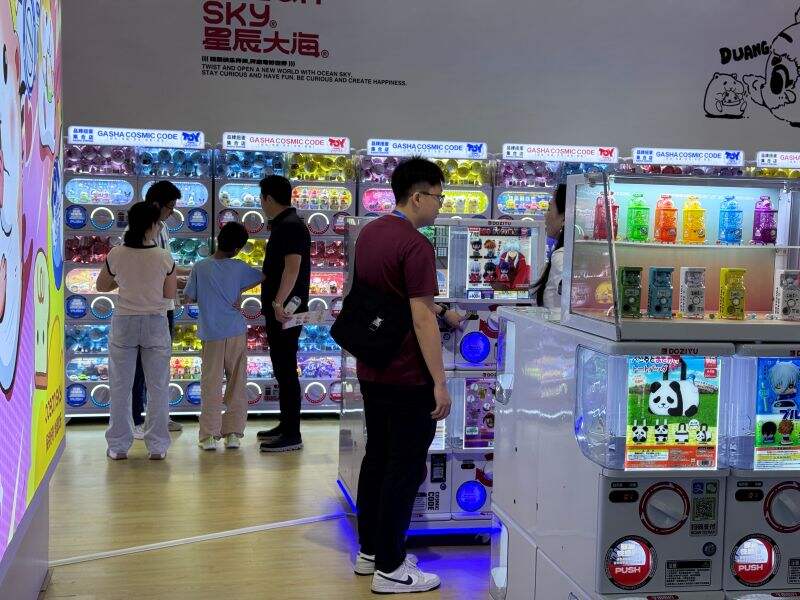
Understanding Profit Margin Fundamentals in Gacha Toys Wholesale
What Is a Profit Margin and Why It Matters for Gacha Toys Wholesale
The profit margin basically shows what portion of sales stays with the business once all production and running expenses are paid off, which is super important for keeping a gacha toys wholesale business going strong. Most successful players in the collectibles market tend to keep their gross margins somewhere around 40 to 60 percent, based on what trade publications have reported over recent years. Having this financial cushion means companies can put money back into restocking shelves, fixing up machinery when needed, and launching new marketing campaigns without losing their edge against competitors in the marketplace.
Net Profit and Profit Margin Percentage Formula Explained
To calculate net profit margin, divide net profit (revenue minus Cost of Goods Sold (COGS) and operating expenses) by total revenue, then multiply by 100. For example:
- A vending machine generating $2,000 monthly revenue with $1,200 in COGS and $300 in logistics costs yields a $500 net profit
- Profit margin = ($500 / $2,000) × 100 = 25%
Operators leveraging optimized supply chain strategies often achieve margins 30% higher than industry averages.
Sales Volume Tracking and Revenue Calculation for Vending Machines
Keeping track of weekly sales numbers per machine makes it easier to spot which locations are really performing well. According to research from last year looking at around 120 gashapon businesses, machines placed near transportation centers tend to sell about three times more stuff compared to ones sitting in regular neighborhoods. When combined with actual money coming in calculations (how much cash each machine brings in divided by how many days it actually runs), shop owners can tweak their prices and what products they stock to boost profits. This kind of hands-on approach has become essential for anyone running these operations nowadays.
Key Cost Components in Gashapon Machine Operations
Cost of Goods Sold (COGS) and Operational Expenses in Toy Vending
COGS—the direct cost of producing or acquiring gacha toys—typically represents 40–60% of total expenses in vending operations. This includes toy procurement, packaging, and quality control. While bulk purchasing in gacha toys wholesale reduces per-unit costs, operators must balance inventory diversity with storage limitations to avoid deadstock.
Fixed and Variable Expenses Impacting Profitability of Toy Vending Machines
Fixed costs like machine leasing ($80–$200/month per unit) and licensing fees remain constant regardless of sales volume. Variable costs scale with performance, including credit card processing fees (2.4% + $0.30 per transaction) and restocking labor ($15–$25/hour). A 2023 retail automation study found that high-traffic locations incur 23% higher variable costs due to frequent servicing.
Maintenance, Restocking, and Logistics: Hidden Operational Costs
Regular upkeep consumes 5–7% of annual revenue, according to manufacturing cost analyses. Gashapon machines require biweekly cleaning to prevent coin jams and monthly mechanical inspections to ensure prize dispensing accuracy. Transportation costs for restocking remote units can erase $0.12–$0.18 of profit per toy sold, emphasizing the need for optimized route planning.
Pricing Strategies That Maximize Gacha Toy Profit Margins
Selling Price and Pricing Strategy for Capsule Toy Machines
Operators often achieve optimal results by setting capsule toy prices between $0.50–$1.00 per play—a range balancing impulse-buy appeal with margin sustainability. Psychological pricing techniques like $0.75 (vs. $0.80) increase conversion rates by 12–18% based on foot traffic patterns. Leading wholesalers use a tiered model:
- $0.50 base price for standard toys
- $1.00–$2.00 for licensed collectibles
- Bulk discounts (e.g., 5 plays for $3.50) to boost sales volume
Balancing Affordability and Margin: Case Study from Top-Performing Locations
Urban arcades near transportation hubs demonstrate how strategic bundling increases margins without sacrificing accessibility. A Tokyo station operator achieved 32% profit growth by offering:
- Everyday toys at $0.65 (15% below competitors)
- Limited-edition figures at $1.20 (with RFID-enabled restocking alerts)
- Subscription passes ($10/month for 18 plays)
Competitive Pricing Analysis in High-Traffic vs. Low-Traffic Areas
A 2023 vending industry analysis revealed stark contrasts:
| Location Type | Avg. Price Per Play | Sales Volume | Profit Margin |
|---|---|---|---|
| Transit Hubs | $1.10 | 380/day | 43% |
| Suburban Malls | $0.60 | 110/day | 28% |
Successful operators in low-traffic zones offset reduced pricing through collaborative revenue-sharing agreements with host venues.
Dynamic Pricing Models and Consumer Behavior Trends
Real-time demand algorithms now enable gashapon machines to adjust pricing during peak hours (+20% on weekends) or for trending licenses. Early adopters report 19% higher basket sizes when pairing time-sensitive pricing with social media teasers about upcoming capsule rotations.
Revenue Forecasting and Financial Performance Analysis
Sales Volume Analysis and Monthly Revenue Expectations
Tracking daily transactions per machine provides the foundation for accurate revenue forecasting in gacha toys wholesale. Operators report average sales of 50–70 units monthly per machine in high-traffic locations, with top-performing devices generating $1,200+ in revenue (2025 Vending Analytics Report). Establish baseline expectations by analyzing:
- Footfall patterns during weekdays vs weekends
- Peak hours correlating with nearby school/work schedules
- Average spend per customer ($2.50 – $4.00 based on capsule pricing tiers)
Financial Analysis of Vending Operations Using Real-World Data
Recent data from 14,000+ vending sites reveals a 63% gross margin for operators using dynamic pricing strategies, compared to 48% for fixed-price models. Key performance metrics include:
| Location Type | Avg. Monthly Sales | Profit Margin | Peak Seasonality |
|---|---|---|---|
| Urban Shopping Malls | $1,480 | 58% | Holiday periods |
| Suburban Transit Hubs | $920 | 51% | School breaks |
Top-quartile performers maintain 22% lower restocking costs through predictive inventory algorithms, as highlighted in a 2025 operations benchmark study.
Seasonal Fluctuations and Their Effect on Revenue Predictions
Gacha machine revenue varies by 19–34% seasonally, with Q4 holiday demand driving 40% of annual profits in temperate climates. Operators in tourist destinations see 72% higher summer sales compared to winter months (2024 Global Toy Market Pulse Study). Mitigate volatility by:
- Adjusting capsule inventories before school vacations/local festivals
- Implementing surge pricing during conventions or seasonal events
- Allocating 15–20% of revenue to a reserve fund for low-traffic periods
A 2024 occupancy analysis of 860 leisure venues confirmed location-specific demand cycles require custom forecasting models rather than one-size-fits-all projections.
Break-Even Point and ROI Evaluation for Gasha Vending Investments
Calculating Break-Even Point Based on Fixed and Variable Costs
To determine profitability in gacha toys wholesale, operators must first calculate their break-even point—the sales volume required to cover both fixed costs (machine purchase, installation) and variable costs (restocking, site fees). The formula is:
Break-Even Units = Total Fixed Costs / (Price Per Toy - Variable Cost Per Toy)
For example, a machine with $3,000 in fixed costs and a $1.50 profit margin per toy would need 2,000 sales to break even. Industry data shows 72% of operators underestimate variable expenses like logistics and maintenance, leading to inaccurate calculations.
Return on Investment (ROI): Measuring Long-Term Vending Machine Success
ROI quantifies profitability using this core formula:
ROI (%) = [(Total Revenue - Total Costs) / Initial Investment] x 100
A machine generating $12,000 annual revenue against $8,000 costs (including a $5,000 initial investment) delivers an 80% ROI. Notably, top-performing locations achieve 140% ROI within 18 months by optimizing product mix and foot traffic.
Industry Paradox: High ROI Despite Low Per-Unit Margins in Gacha Toys Wholesale
While individual toy margins average just $0.80–$1.20, high-traffic locations offset this through volume. A single machine selling 300 units monthly at $1.20 profit generates $432/month—translating to 62% annual ROI despite slim per-unit margins. This volume-driven model explains why 68% of gacha wholesalers prioritize location density over premium pricing.
FAQ
What is the significance of profit margins in gacha toys wholesale?
Profit margins indicate what percentage of sales revenue remains after covering production and operating costs, crucial for reinvestment and maintaining a competitive edge in the market.
How are profit margins calculated for gacha vending machines?
Profit margins are calculated by subtracting the cost of goods sold and operational expenses from the total revenue and dividing this by the total revenue.
What are the key factors affecting the profitability of gacha toy vending machines?
Profitability depends on factors such as location, pricing strategy, cost management, maintenance, and the ability to adjust dynamically to consumer demand and traffic ratings.
How do seasonal fluctuations impact gacha machine revenue?
Revenue can vary significantly with up to 34% seasonal shifts, largely due to holiday demand and tourist seasons, necessitating flexible forecasting and pricing strategies.