The Strategic Imperative of Interactive Entertainment in Modern Plaza Ecosystems
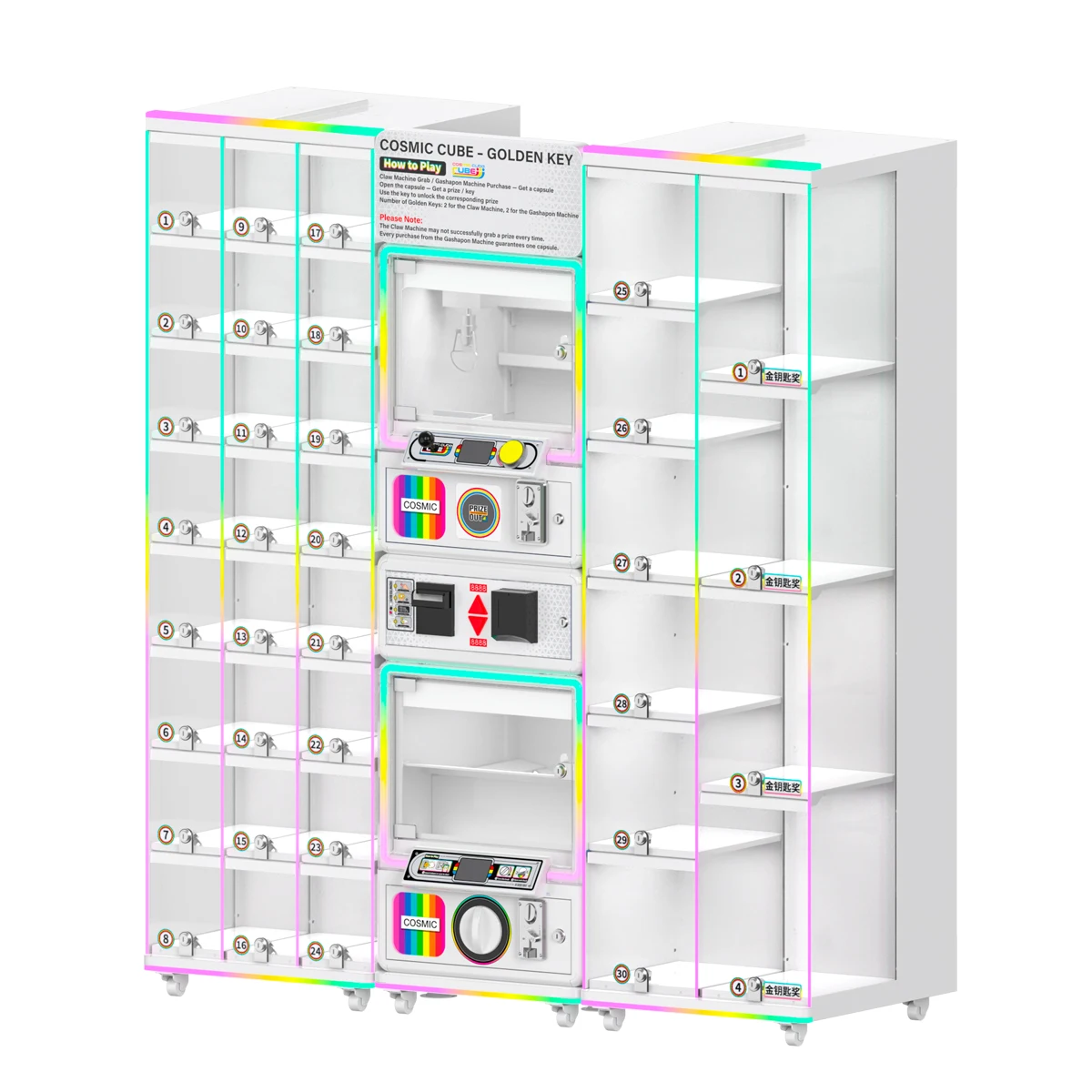
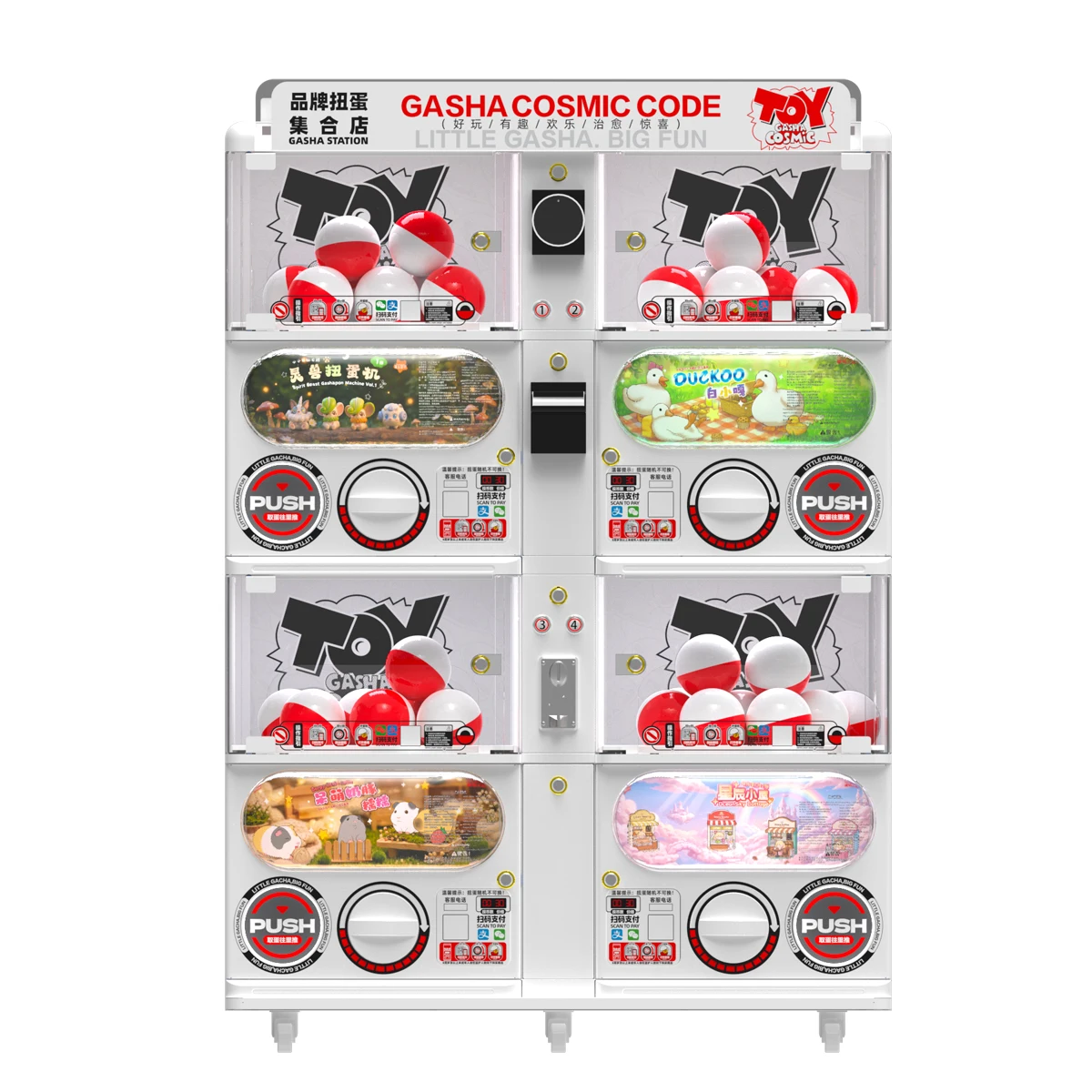
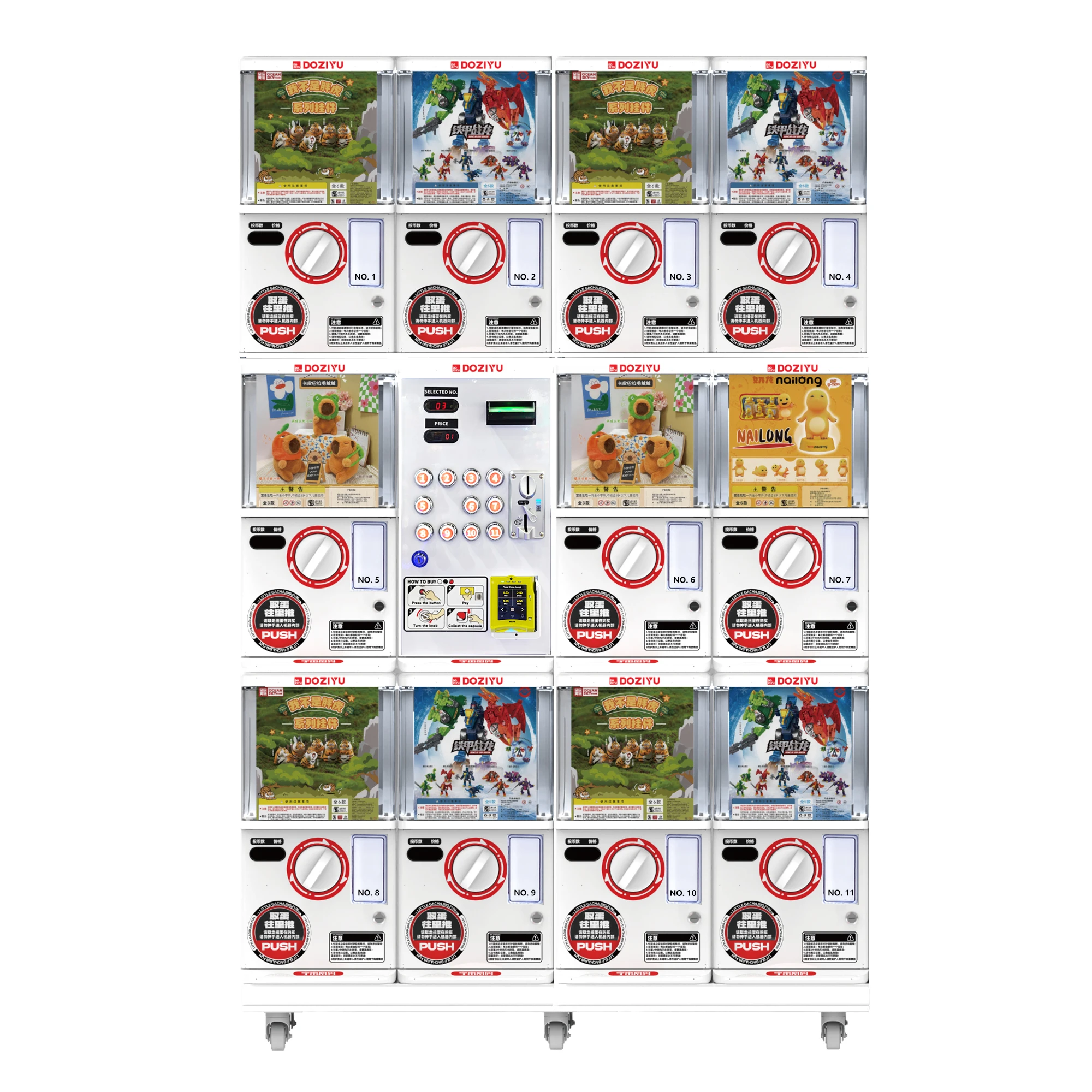
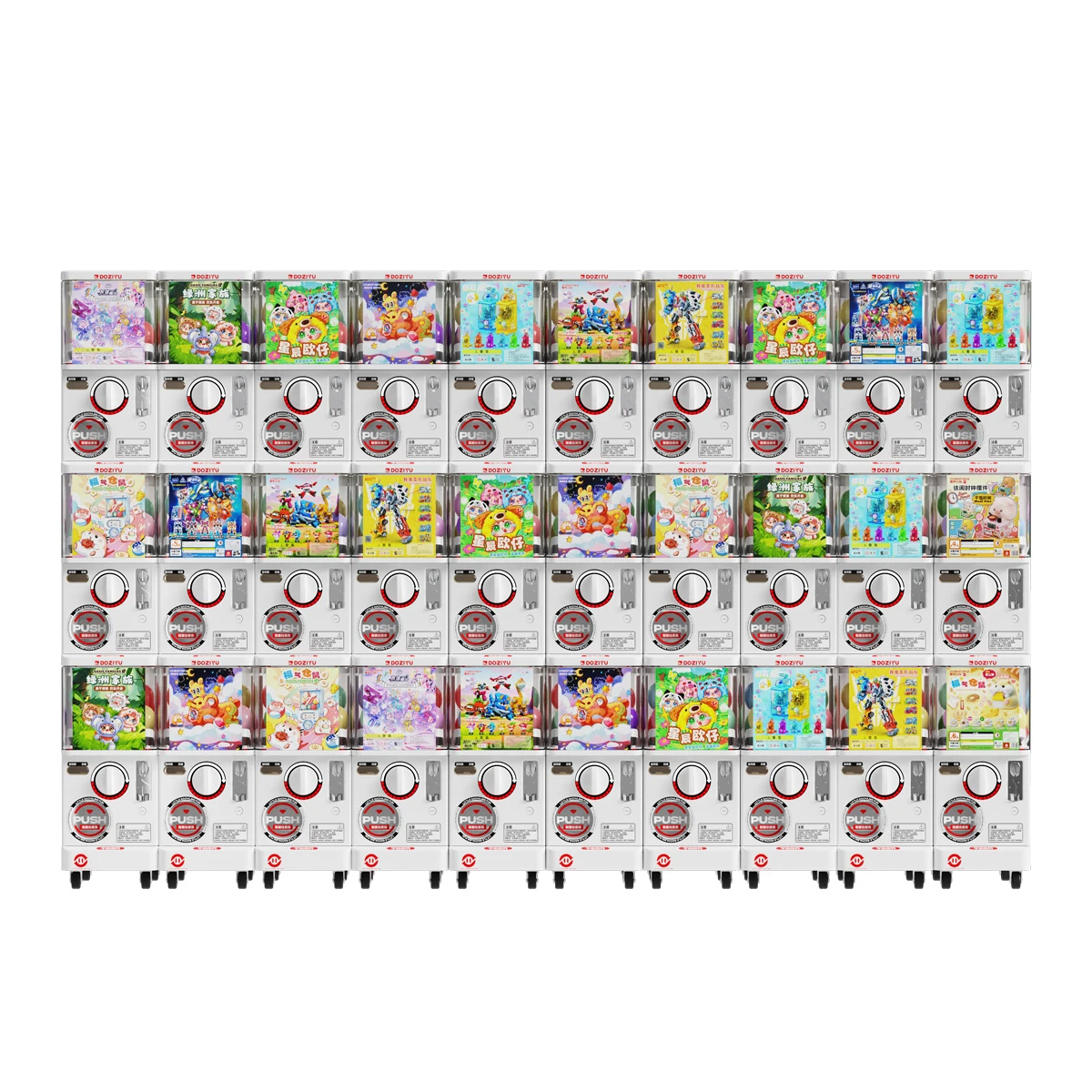
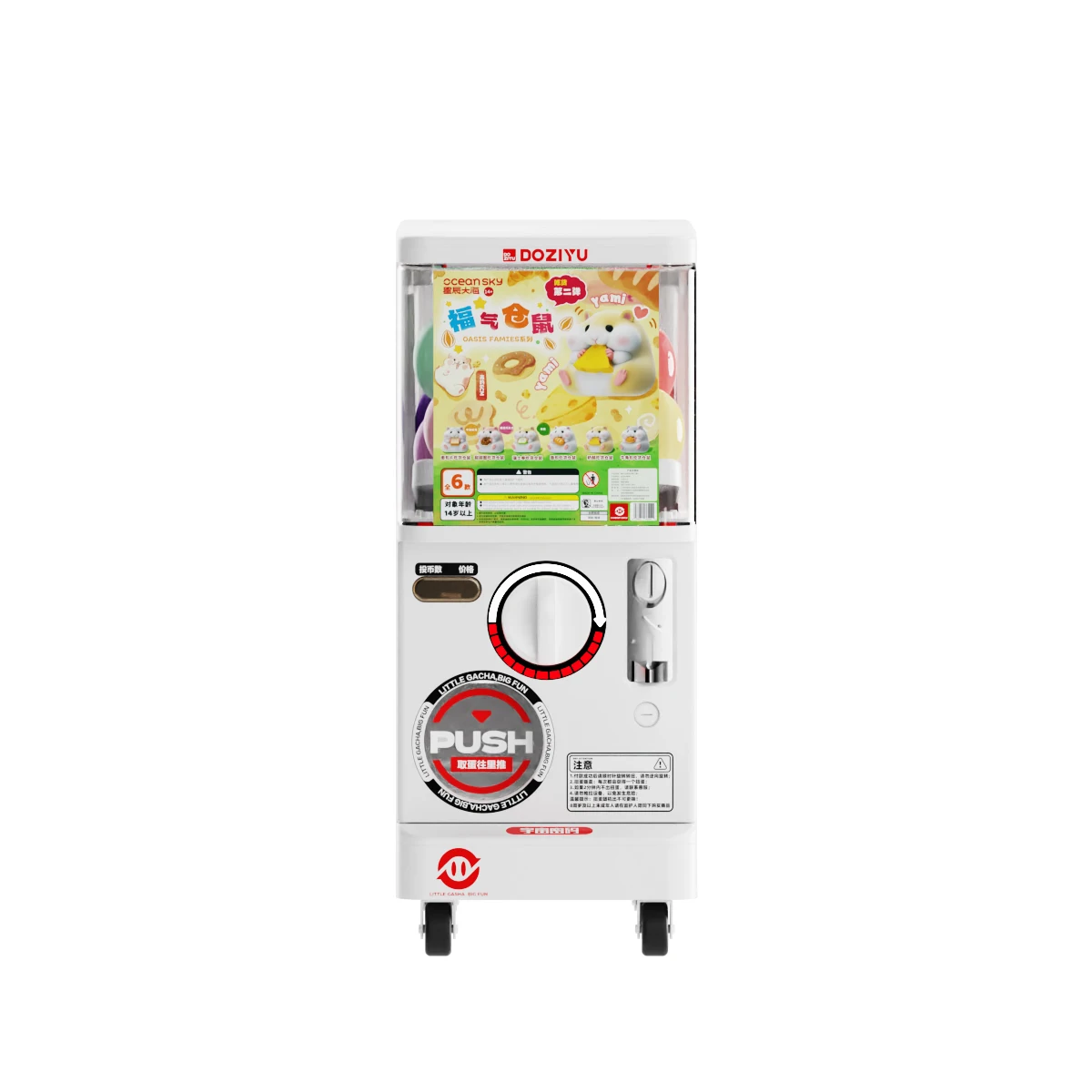
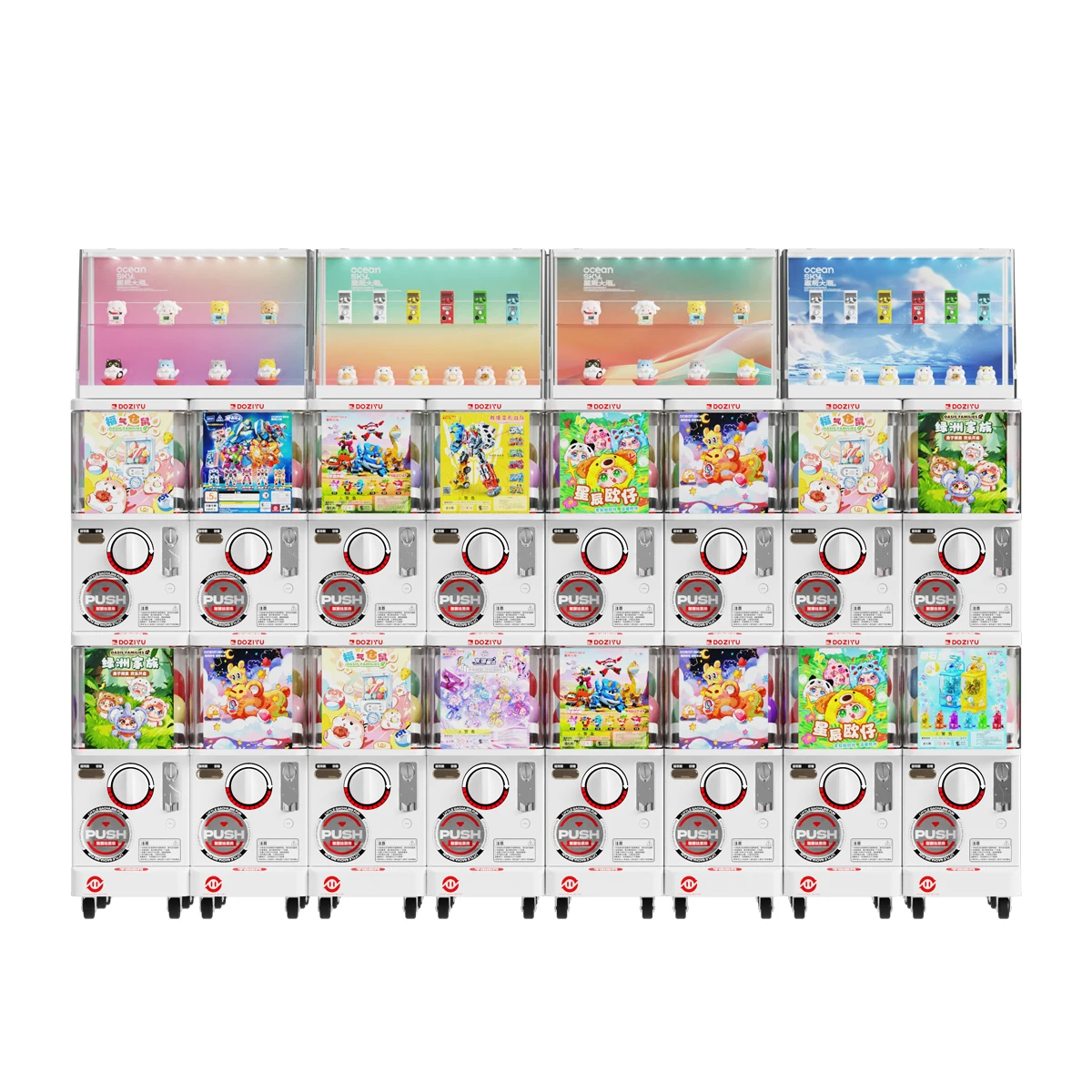
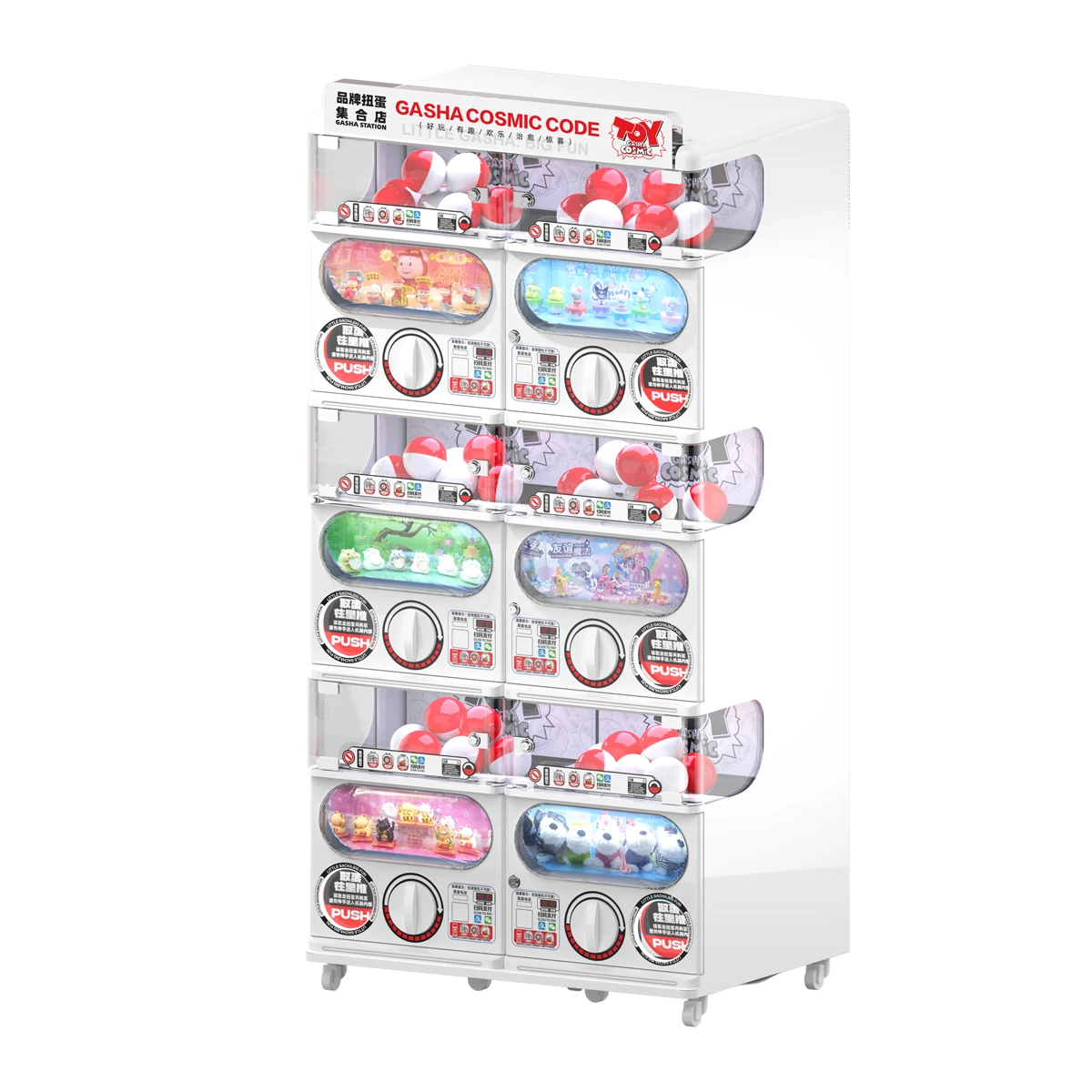
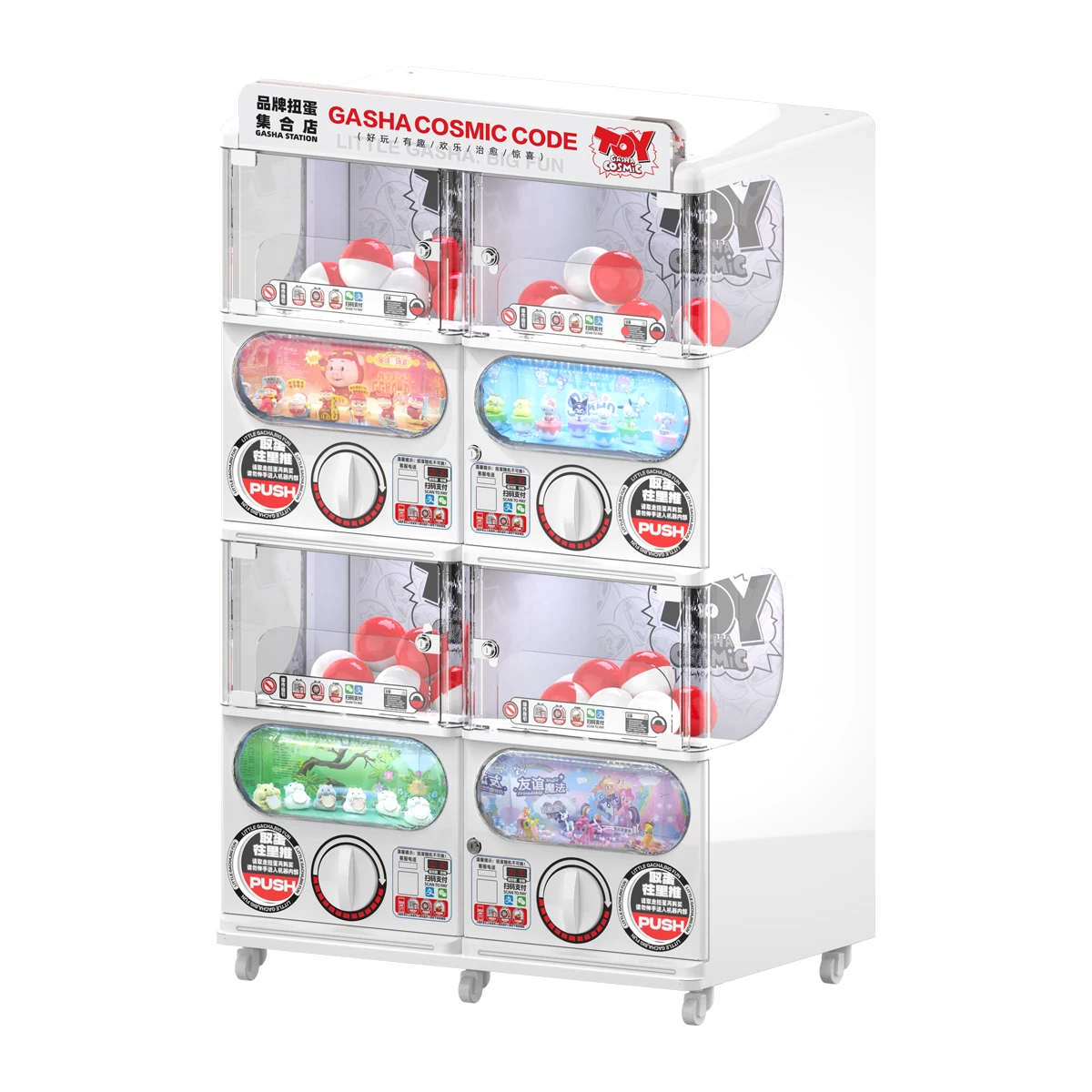
Urban plazas, shopping center atriums, and transportation concourses have evolved from mere thoroughfares into experiential destinations. The success of these spaces is increasingly measured not just by retail tenancy, but by their ability to engage visitors, extend dwell time, and create memorable moments that encourage return visits. In this context, the strategic deployment of a Gacha Machine for Plaza emerges as a sophisticated tool for placemaking and revenue generation. This is not a simple children's amusement; it is a modular entertainment platform that addresses core challenges of modern public space management.
The primary objective is audience engagement and dwell time extension. A plaza's economic health is directly tied to how long visitors stay and how positively they perceive their experience. A well-placed, visually compelling gacha machine acts as a powerful "speed bump," interrupting the flow of foot traffic with an offer of instant, low-cost gratification. The ritual of the twist—the anticipation and surprise—creates a dopamine-driven experience that is highly shareable on social media, effectively providing user-generated marketing for the plaza itself. For families, it provides a quick, enjoyable activity that makes the overall trip more pleasant; for teens and young adults, it taps into collectible culture. This broad appeal makes it a unifying amenity that enhances the perceived value of the visit for diverse demographic segments.
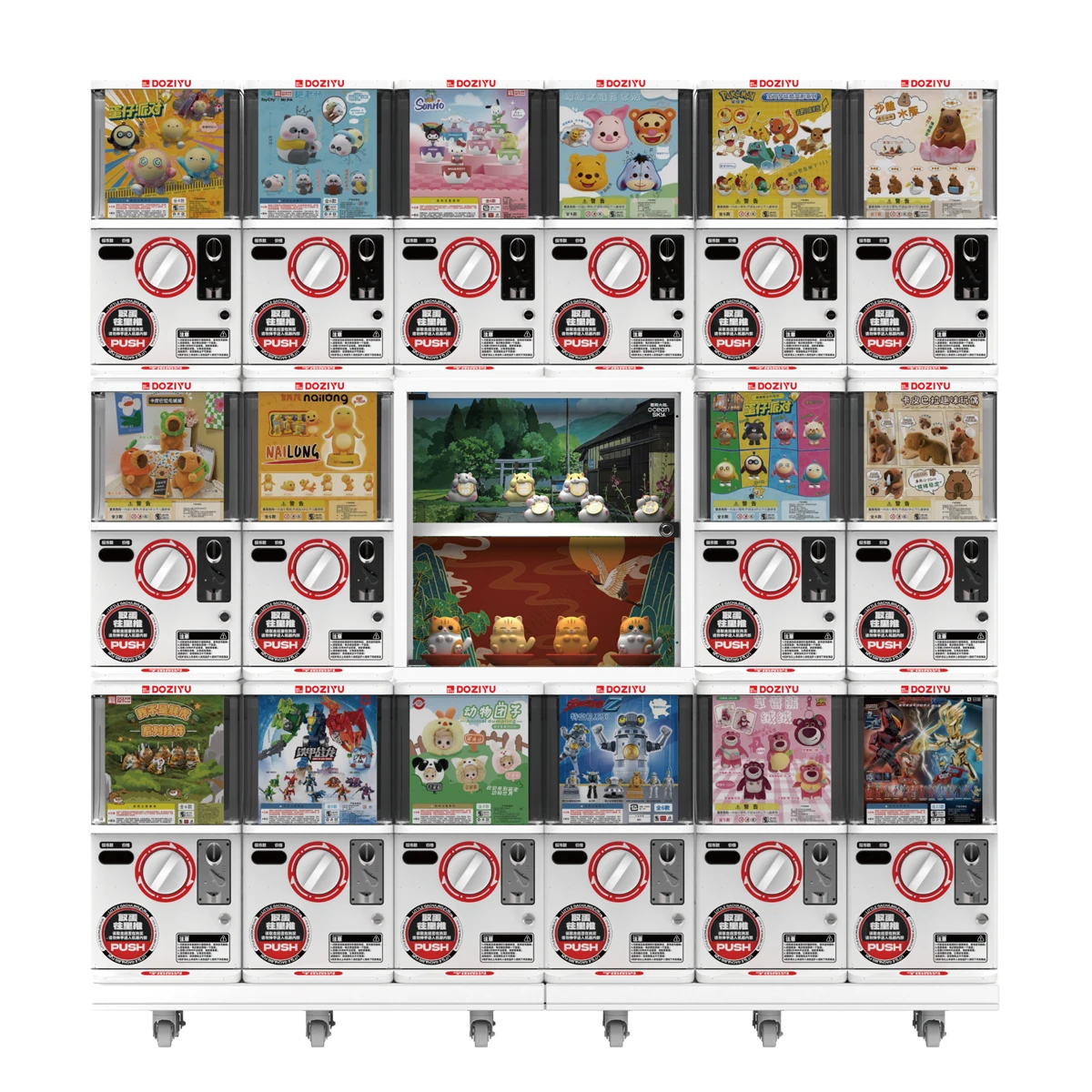
From an operational and commercial perspective, the machine offers a high-efficiency revenue model. It requires minimal square footage, operates unattended 24/7, and delivers high-margin returns on low-cost inventory. For plaza landlords or management companies, it transforms underutilized common area (CAMA) space into a profit center. The data generated—when leveraging smart machines from providers like DOZIYU—offers invaluable insights. Understanding peak usage times can inform staffing for nearby food and beverage outlets or security patrols. Tracking prize popularity allows for dynamic curation, potentially tying capsules to seasonal promotions, movie releases, or local events, thereby keeping the offering fresh and driving repeat play.
Crucially, the machine must be architecturally integrated and context-aware. A plaza environment, often a blend of retail, dining, and public art, requires equipment that complements its aesthetic. DOZIYU’s approach, refined through installations in design-conscious markets like Japan and Europe, emphasizes customizable exteriors. Machines can be clad in materials and colors that match the plaza's architecture or feature wraps that align with ongoing marketing campaigns. For mixed indoor-outdoor plazas, engineering must account for environmental factors like temperature swings and humidity, ensuring reliability without constant maintenance—a key consideration for minimizing operational burden on facility teams.
Furthermore, the Gacha Machine for Plaza serves as a potential tenant mix enhancer. It can be strategically placed to draw foot traffic to quieter wings of a shopping center or to animate spaces between anchor stores. Its presence signals that the plaza is lively, fun, and focused on experience, which can be a attractive amenity for potential retail tenants looking for high-engagement locations.
In conclusion, integrating a Gacha Machine for Plaza is a multifaceted strategy. It is a tactical solution for increasing engagement and dwell time, a high-margin micro-retail opportunity, a source of valuable customer behavior data, and a tool for enhancing the overall aesthetic and experiential brand of the space. For forward-thinking plaza operators and developers, partnering with an experienced global manufacturer like DOZIYU provides access to the durable, technologically advanced, and customizable hardware necessary to execute this strategy successfully, transforming passive pedestrian areas into vibrant, profitable, and memorable community hubs.