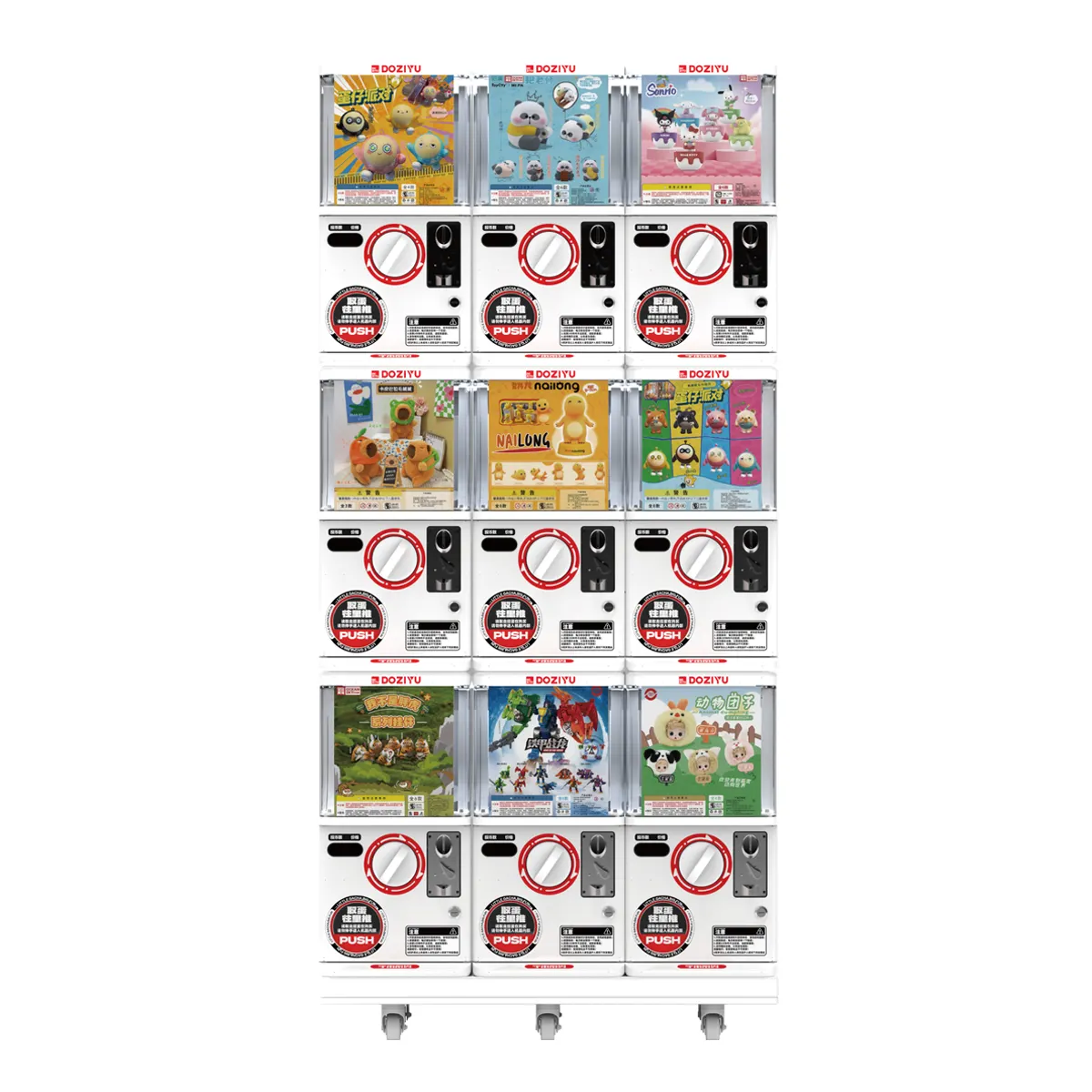
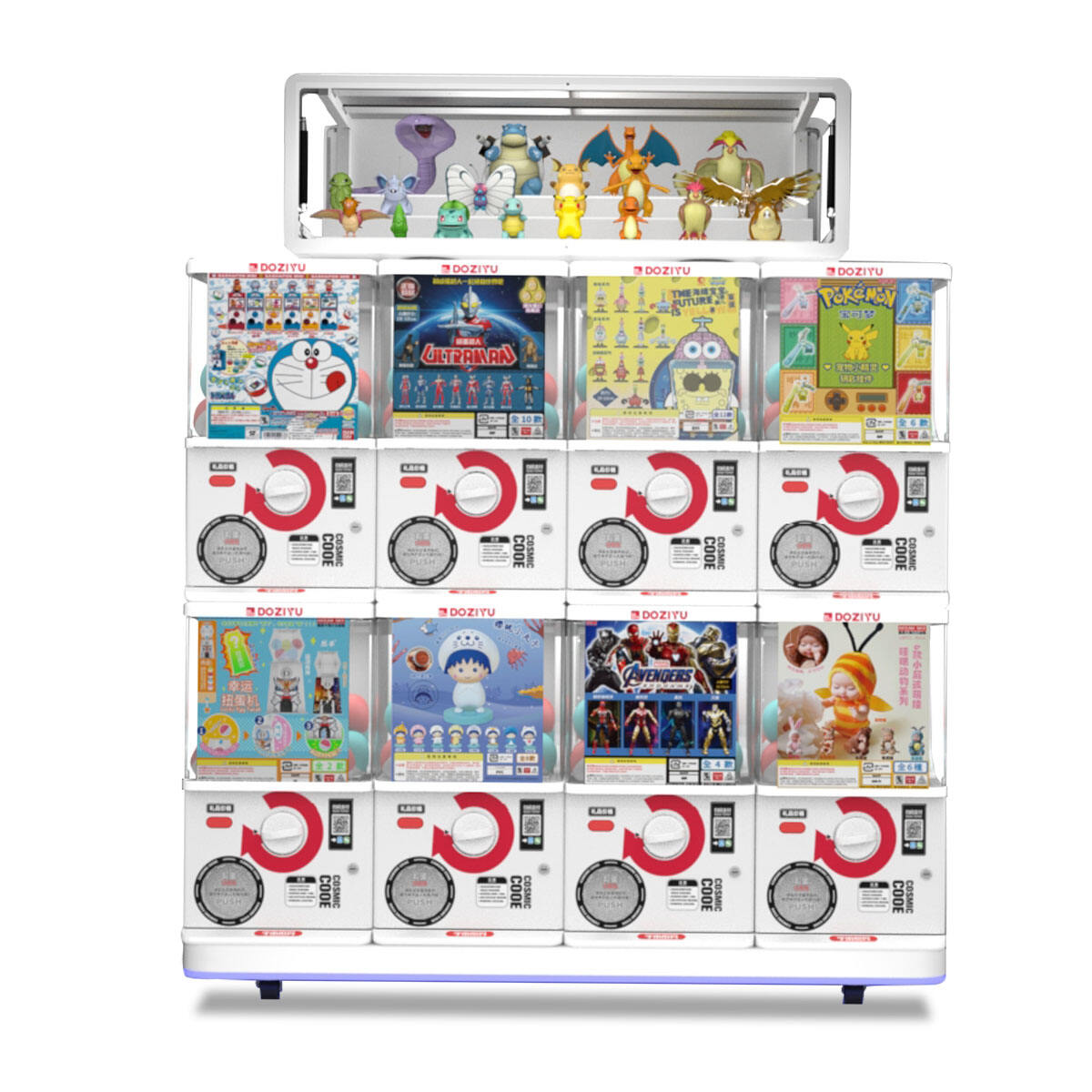
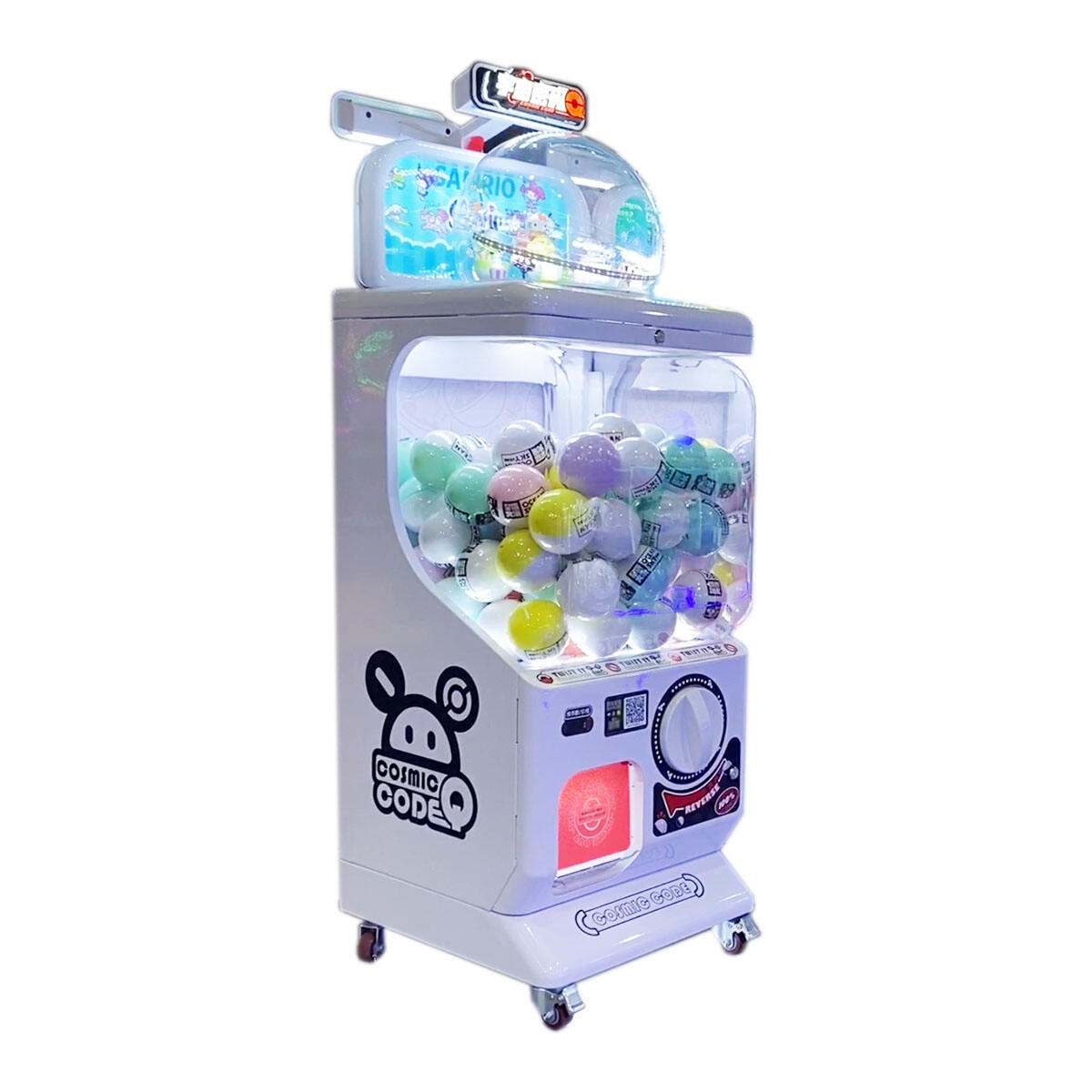
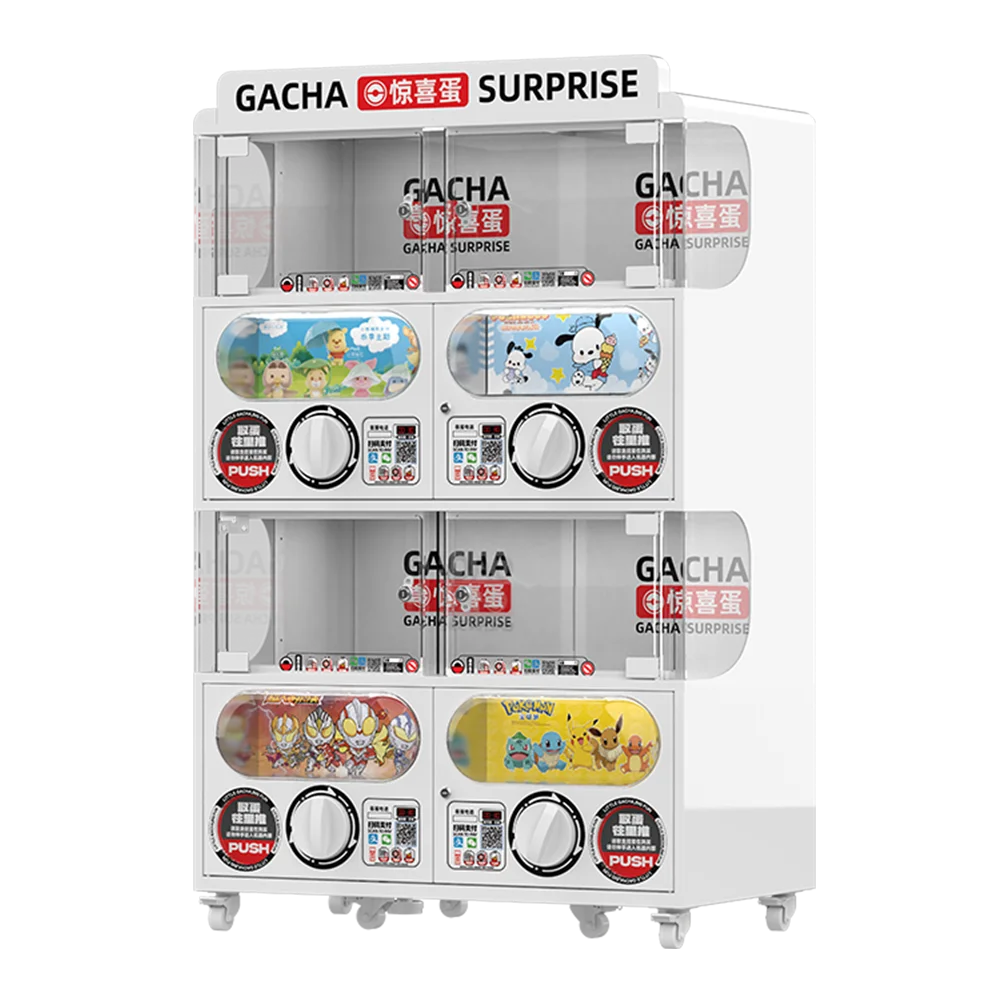
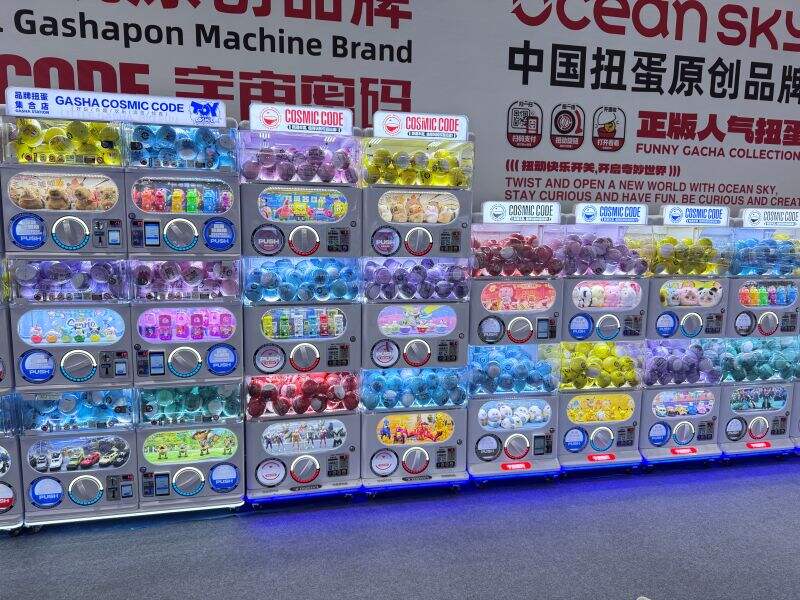
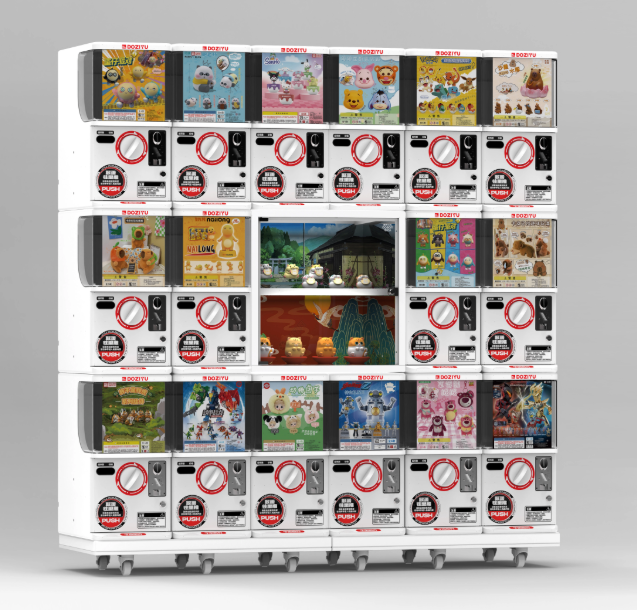
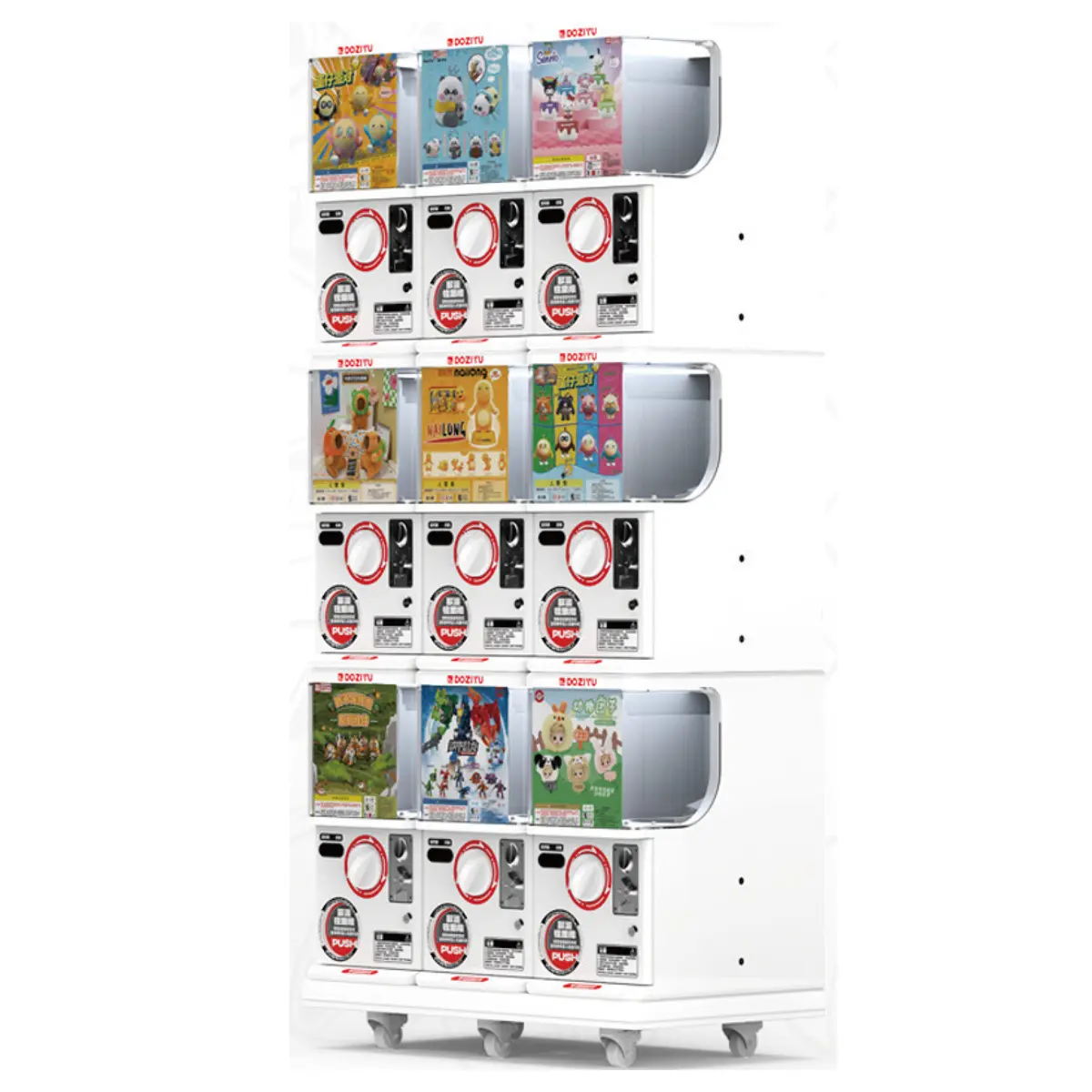
The integration of a Gacha Machine for a Ferry Terminal represents a sophisticated approach to asset monetization and passenger experience management. In the operational ecosystem of a transit hub, where efficiency and passenger flow are paramount, introducing an element of retail entertainment requires a meticulously calculated strategy. The objective is twofold: to generate a tangible, high-margin return on a compact footprint, and to positively influence the passenger's perception of their wait, thereby enhancing overall satisfaction with the terminal itself. DOZIYU’s solutions are architected from the ground up to meet these precise, dual demands of rigorous commerce and effective crowd psychology.
From a commercial and operational perspective, ferry terminals present a distinct set of challenges: relentless, peak-driven foot traffic, the need for absolute operational reliability, and a diverse, often international user base. A standard entertainment vendor is insufficient for this environment. DOZIYU addresses this through engineering philosophy. As the first manufacturer in China to standardize large-scale gashapon production, our expertise is baked into durable hardware designed for public spaces. This includes secure, vandal-resistant designs, high-capacity capsule storage to minimize refill frequency during busy periods, and payment systems engineered for high throughput and compatibility with multiple currencies and cashless technologies. This operational resilience translates directly to terminal management as a low-overhead, high-availability revenue asset that requires minimal intervention from already busy staff.
The psychological dimension is equally critical. Waiting is often the least enjoyable part of travel, linked to boredom and frustration. A well-placed Gacha Machine acts as a powerful behavioral intervention. The mechanism leverages the universal appeal of surprise and the gamified "reward loop." For a family, it becomes a quick, affordable activity for children. For solo travelers or couples, it’s a moment of light-hearted intrigue. The physical act of turning a knob and receiving a tangible, collectible item provides a sensory break from the passive waiting experience. This aligns with advanced principles of experience design in transit spaces, where micro-interactions can significantly alter the emotional tone of a journey. By offering this service, the terminal is perceived as proactive in caring for passenger comfort beyond basic necessities.
Strategically, the success of the installation hinges on curation and placement. DOZIYU leverages insights from 59+ global partners to guide terminal operators on capsule assortments. The most effective programs often feature thematic links—nautical items, mascots of the ferry line, or collectibles representing destination cities—which elevate the capsule from a generic toy to a bespoke travel memento. Placement is key: high-visibility spots in pre-boarding areas, near food courts, or adjacent to retail zones capture passengers when they are most receptive. This model creates a virtuous cycle: enhanced experience leads to engagement, which drives revenue, funding further terminal improvements. For operators, it’s a scalable, data-driven way to monetize square footage while delivering measurable value to the passenger journey, solidifying DOZIYU’s role as a strategic partner in modern transit hospitality.

 EN
EN
 AR
AR DA
DA NL
NL FI
FI FR
FR DE
DE EL
EL HI
HI IT
IT JA
JA KO
KO NO
NO PL
PL PT
PT RU
RU ES
ES SV
SV TL
TL IW
IW ID
ID VI
VI HU
HU TH
TH TR
TR MS
MS GA
GA LO
LO MY
MY