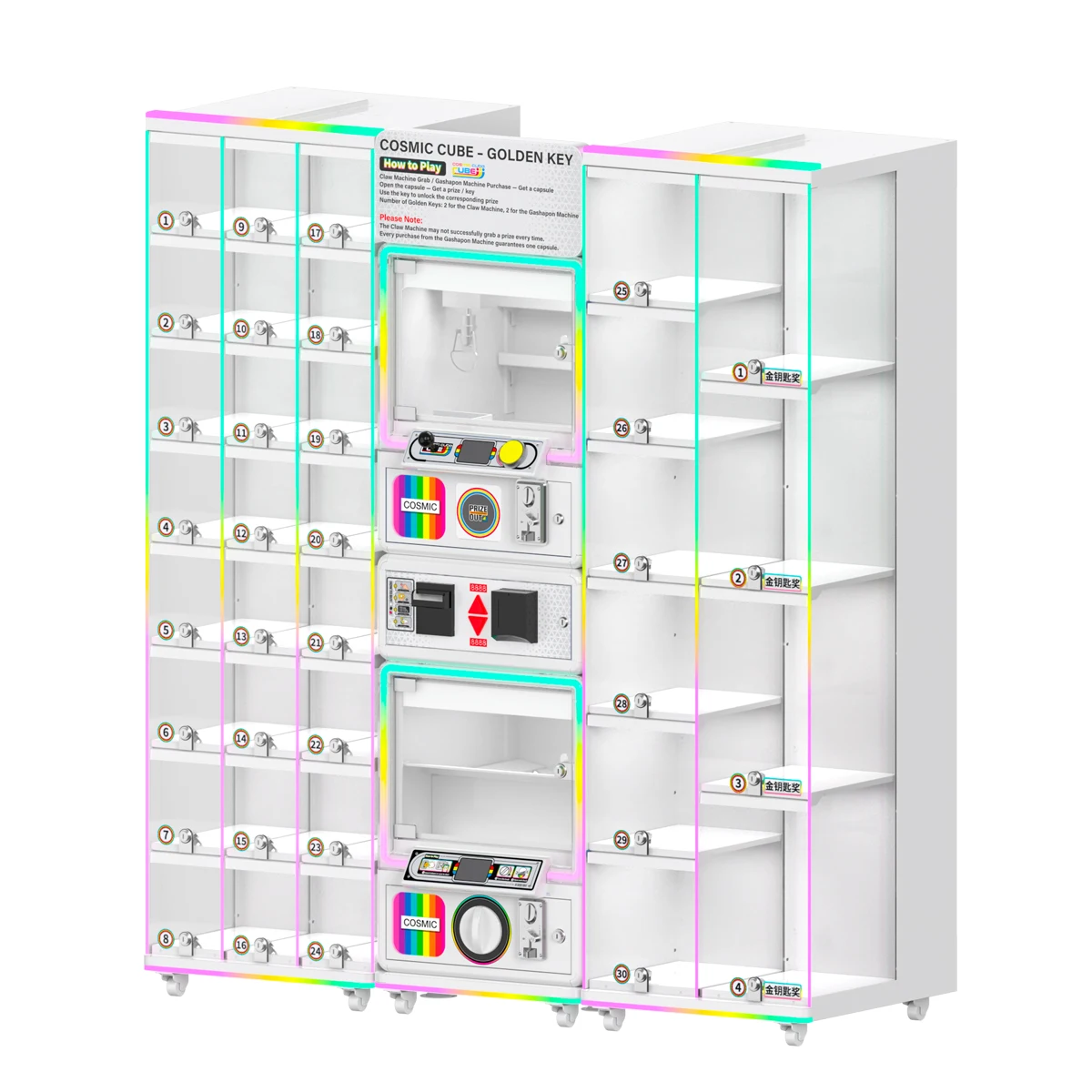
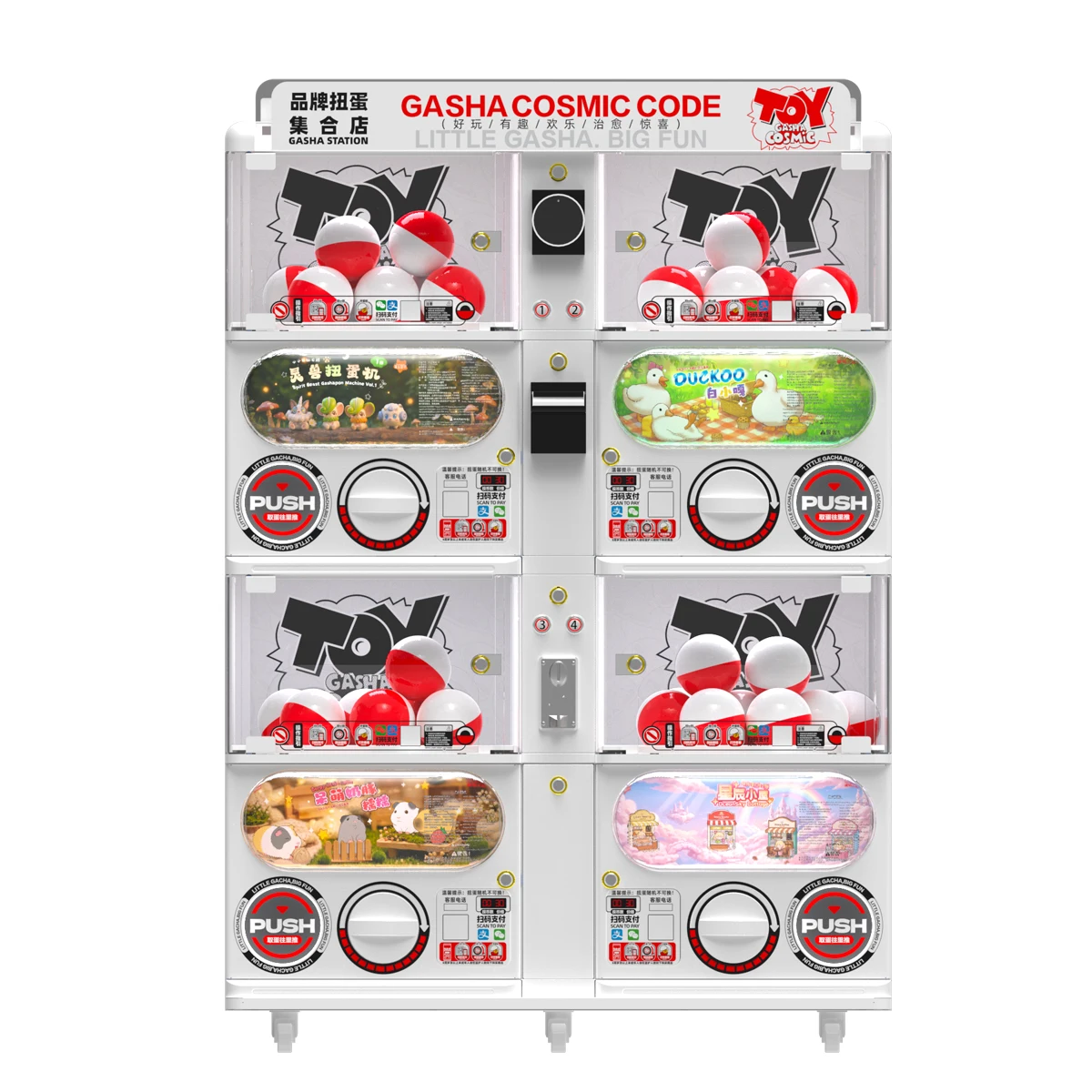
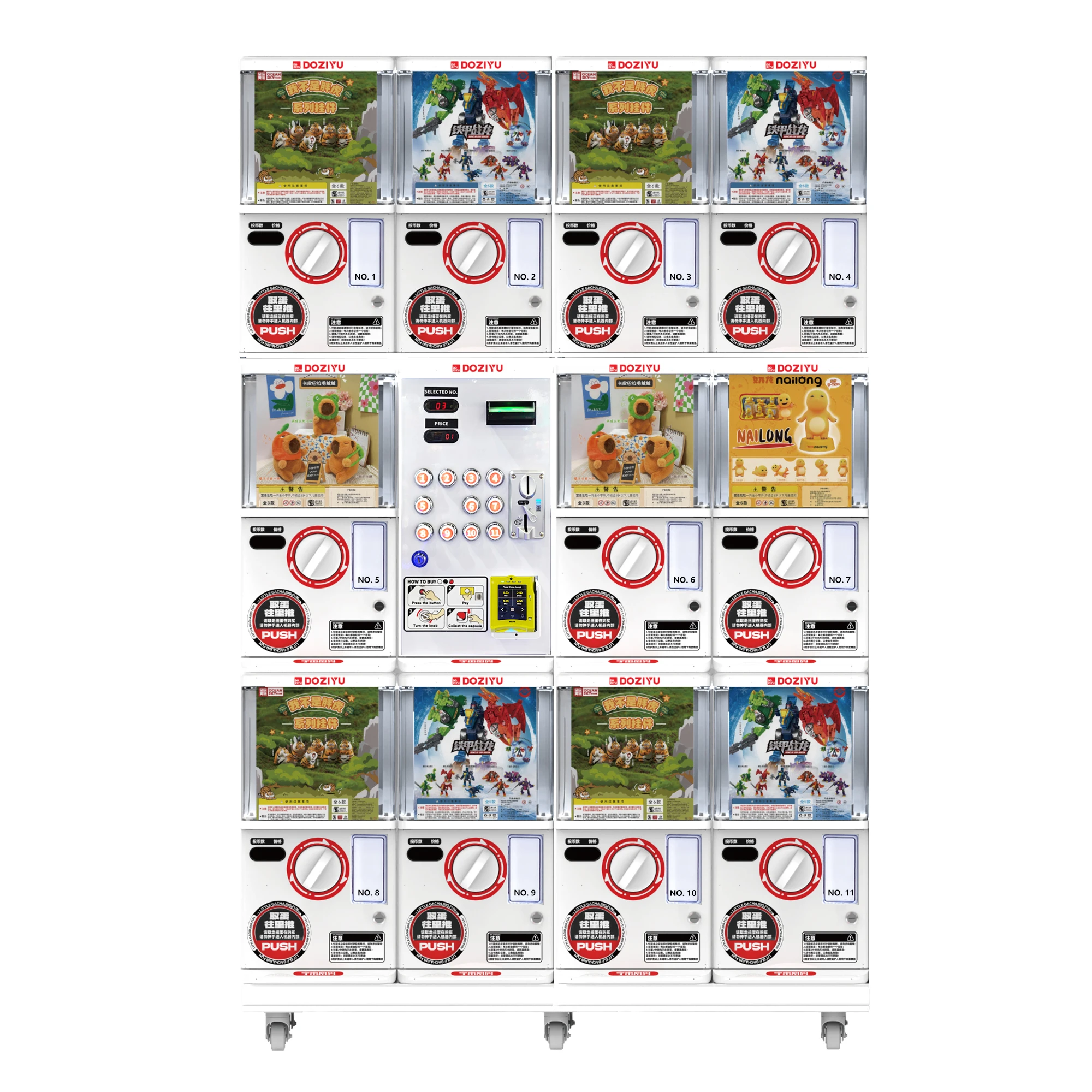
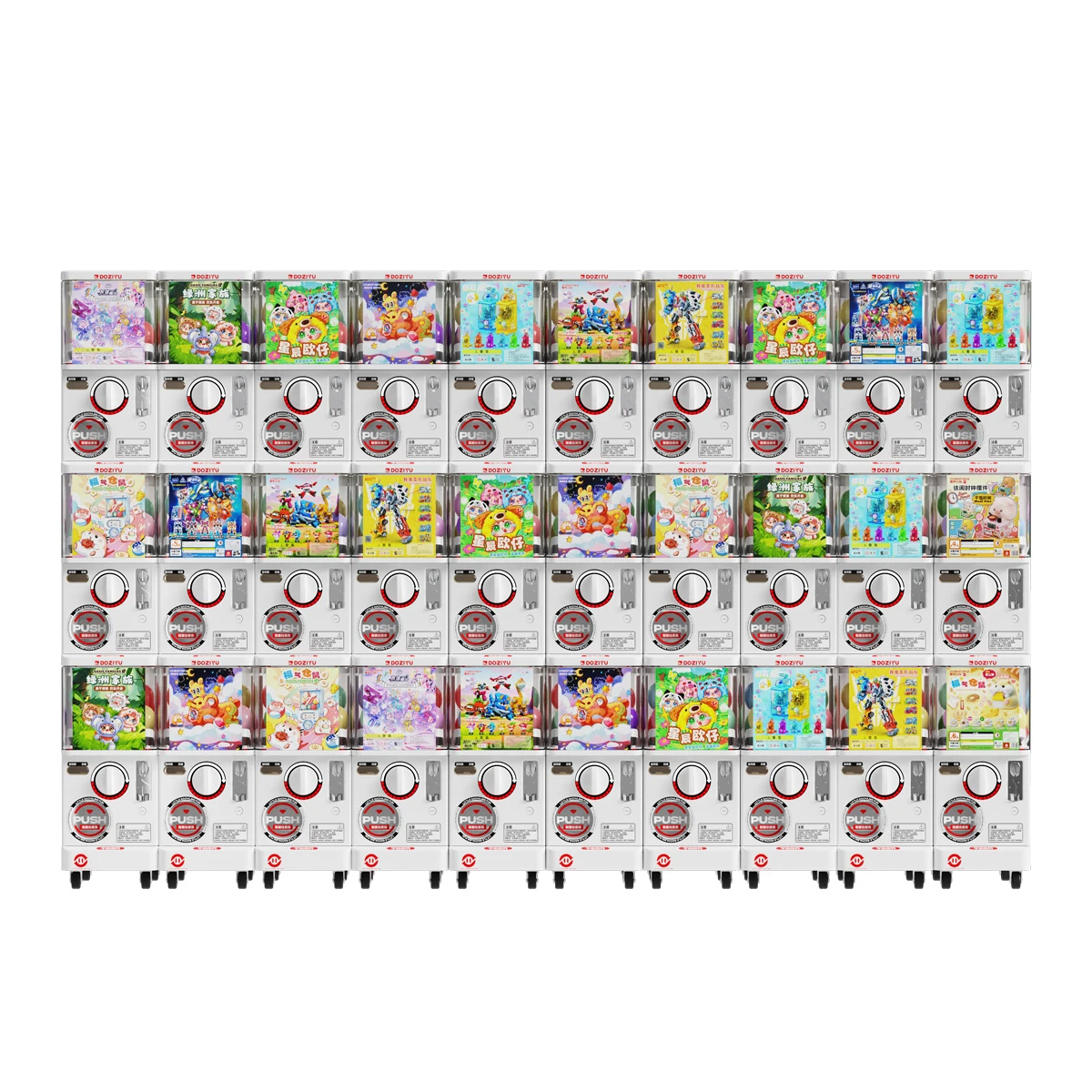
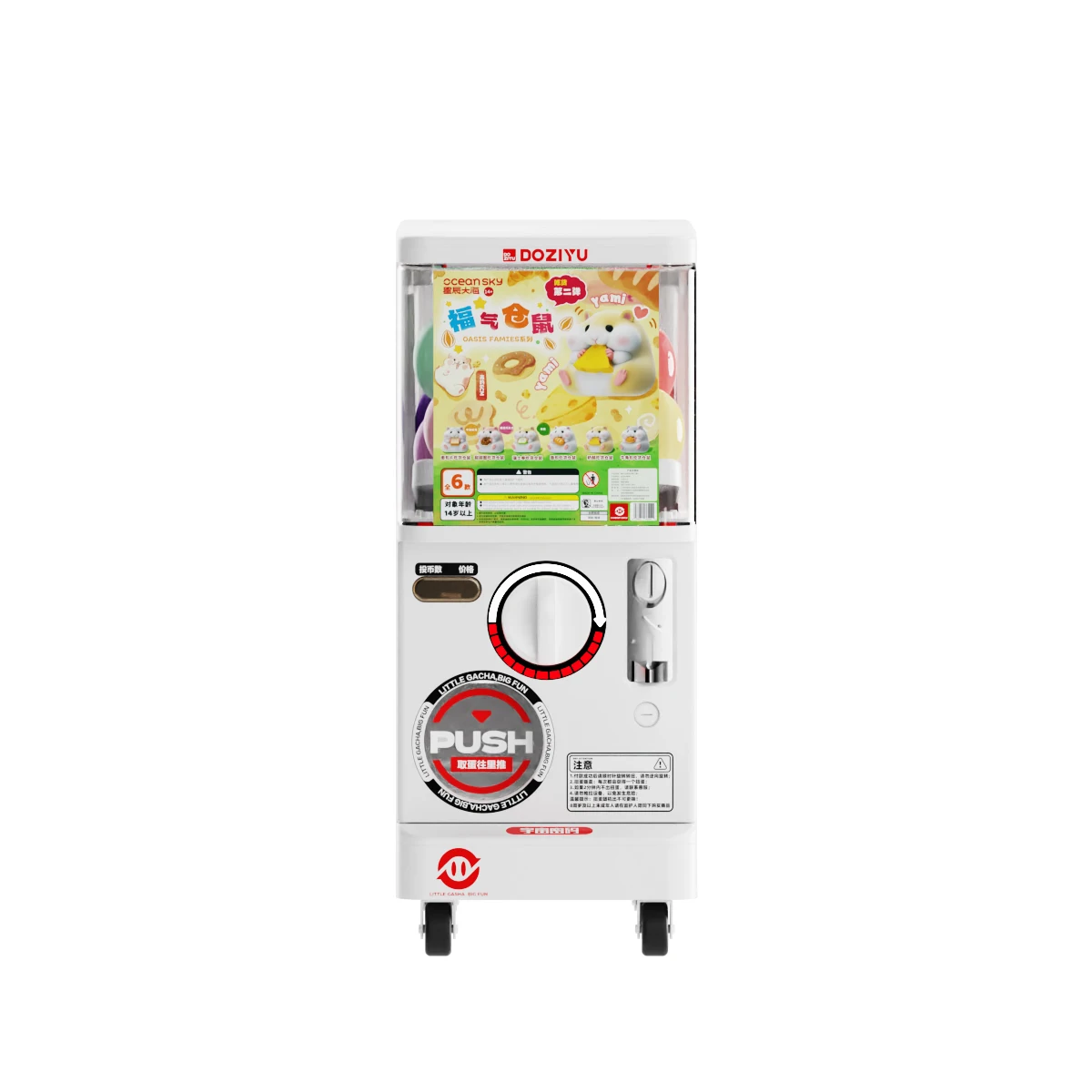
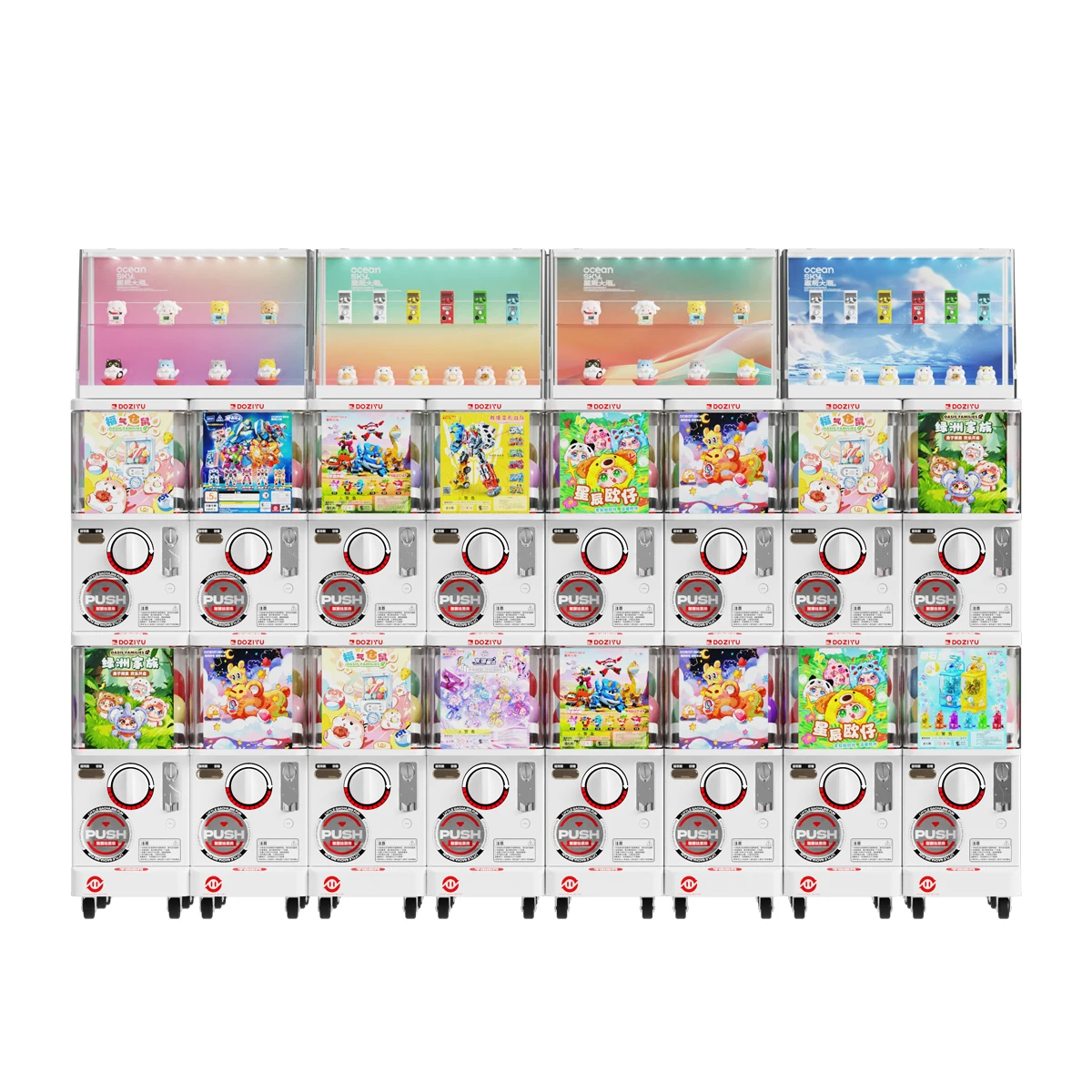
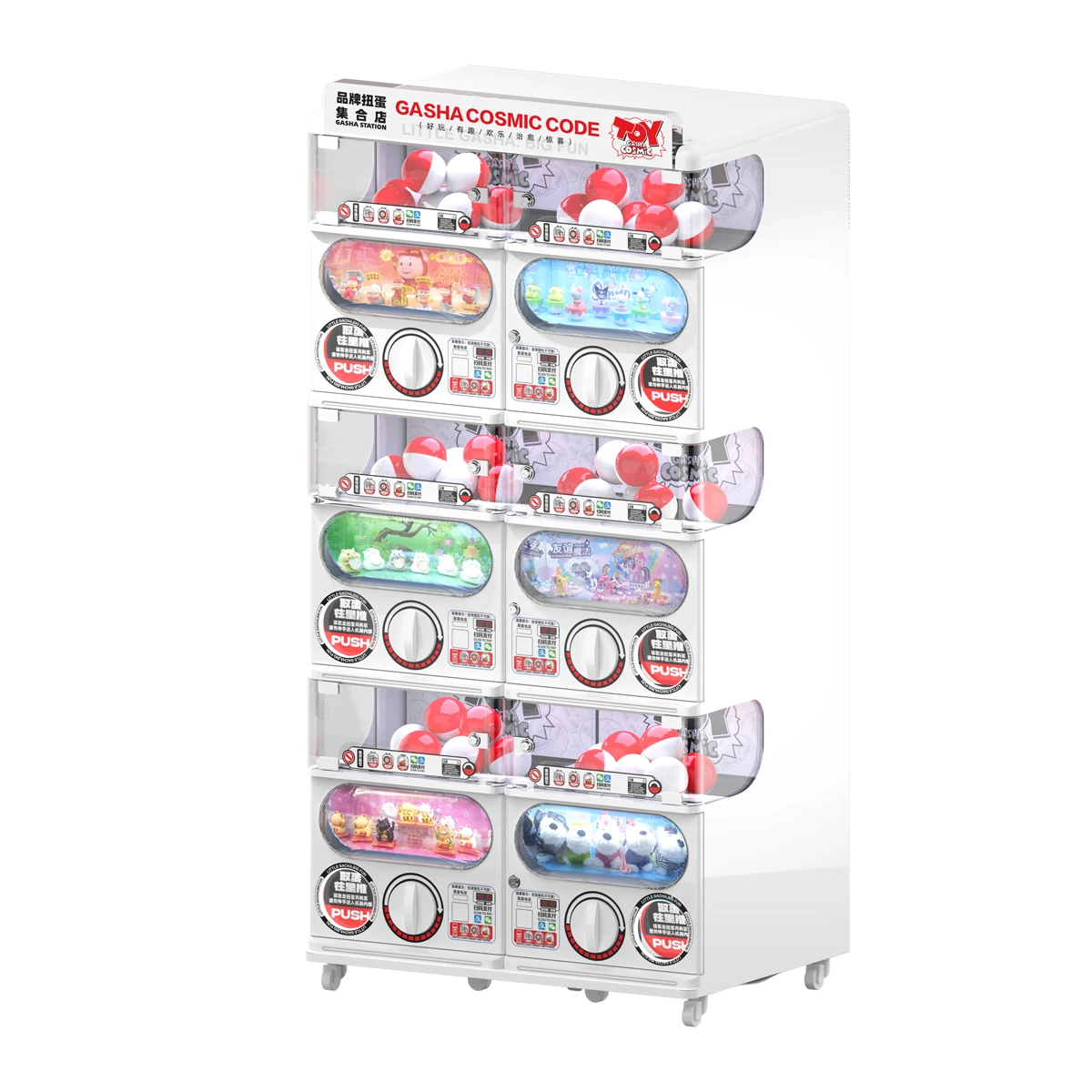
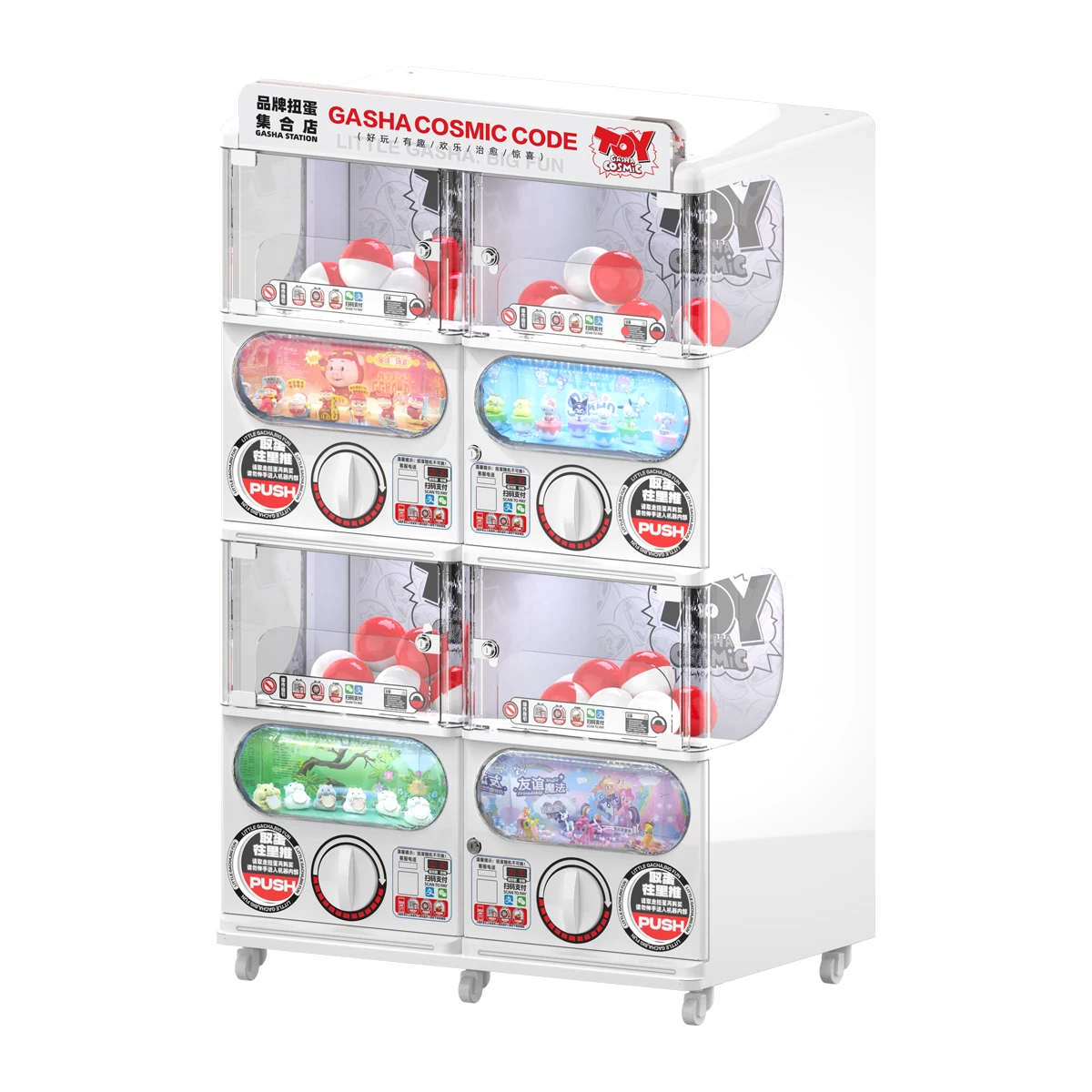
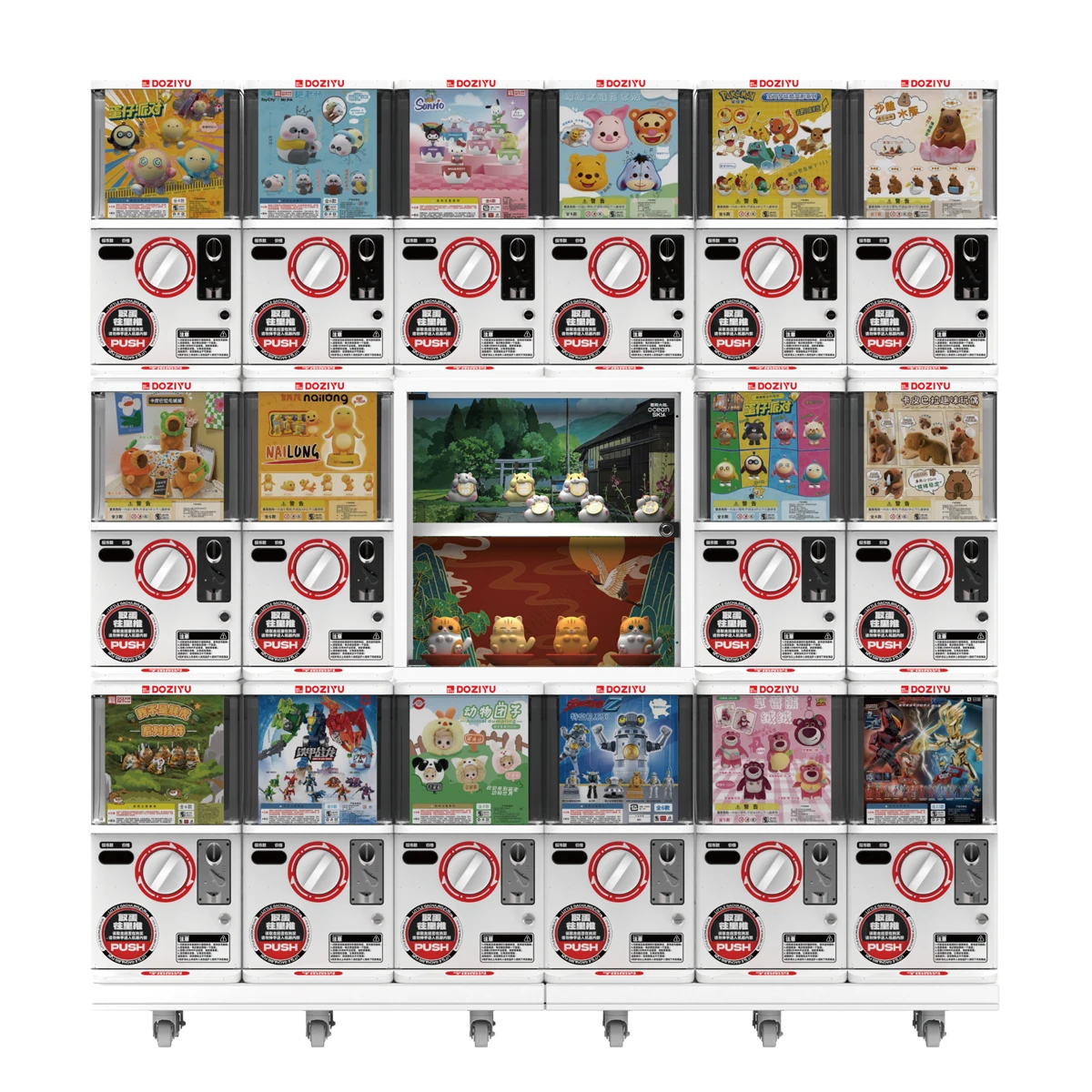
In the evolving landscape of cultural and educational attractions, botanical gardens face the dual challenge of deepening visitor engagement while securing diversified, sustainable revenue. The traditional model relies heavily on gate admissions, memberships, and gift shop sales. However, to truly flourish, forward-thinking gardens are integrating interactive, immersive elements that speak to modern audiences, particularly families and younger demographics. This is where DOZIYU's specialized Gacha Machine for botanical gardens presents a transformative strategy. It is far more than a vending apparatus; it is a carefully designed touchpoint that bridges the awe of nature with the human love for discovery, collection, and play, all while supporting core institutional missions.
The environment of a botanical garden demands a particular sensitivity. It is a place of curated calm, scientific study, and aesthetic beauty. Any introduced element must respect and enhance this atmosphere. DOZIYU's approach begins with this fundamental understanding. Our capacity for full customisation—from the machine's physical form to its graphic skin—ensures it can be designed as a subtle sculpture, a rustic kiosk, or a modern interpretive display that aligns with the garden's architectural and horticultural themes. This prevents visual pollution and instead creates an accepted, even welcomed, feature within the landscape. Strategically, placement is key. Positioning a machine at the exit of a popular greenhouse, near a children's discovery garden, or along a main pathway where visitors naturally pause offers a moment of interactive delight. It captures visitors at a peak of inspiration, allowing them to take home a physical token—a seed, a figurine, a knowledge card—that cements their memory and connection to the living collections they've just admired.
From an educational and mission-driven perspective, the potential is profound. Botanical gardens are tasked with translating the science of botany into public understanding and appreciation. The Gacha Machine can be a potent tool in this endeavor. Capsule contents can be meticulously curated to support specific educational campaigns: a series on local pollinators to accompany a new bee habitat installation, miniature fruits and vegetables to promote a community garden initiative, or models of dinosaurs alongside prehistoric plants in a dedicated garden section. This method of "edu-tainment" leverages the powerful psychological drivers of surprise and reward to make learning sticky and fun. It provides a novel way for education departments to reach audiences, complementing traditional signage and guided tours. For visitors, especially children, the act of discovery doesn't end at observation; it culminates in ownership of a collectible that continues the story at home.
Operationally and financially, the model offers remarkable efficiency and resilience. With a small physical footprint, a Gacha Machine generates high-margin revenue autonomously, requiring minimal staffing. Its digital components allow for remote monitoring of inventory and performance, streamlining management. The capsule inventory system is inherently flexible; gardens can quickly rotate stock to align with seasonal blooms, temporary exhibitions, or annual festivals like holiday light shows. This agility keeps the offering fresh and exciting for repeat visitors and members, encouraging ongoing interaction. In an economic climate where non-profits and public gardens seek reliable earned income, a DOZIYU Gacha Machine represents a strategic capital investment. It cultivates a new revenue root that supports the garden's vital work in conservation, research, and public programming, all while delivering an enhanced, joyful, and memorable experience that makes visitors eager to return and see what's blossomed anew.